2025 Hong Kong Central Elite Lifestyle Report
Reporting Institution: Pridebay (the world’s leading research institution on the lifestyle of ultra-high-net-worth individuals)
Report Date: December 2025
Abstract: As the core of Hong Kong’s international financial center, Central has always been the gathering place of global elites, where ultra-high-net-worth individuals, senior executives of top enterprises, financial professionals, and industry leaders gather. In 2025, against the backdrop of Hong Kong’s steady economic recovery and the continuous upgrading of the global elite lifestyle, the lifestyle of Central elites has shown a new trend of "elegance, rationality, diversification, and value orientation". Based on Pridebay’s exclusive survey of 500 Central elites (with an annual income of no less than HK$5 million or personal assets of no less than HK$50 million), combined with industry data, on-site observations, and in-depth interviews, this report comprehensively analyzes the core lifestyle dimensions of Central elites in 2025, including luxury consumption, art collection, travel, health management, social responsibility, and self-learning. It interprets their consumption concepts, value pursuits, and behavioral characteristics, and presents a comprehensive and vivid portrait of Central elites in the new era. This report aims to provide professional reference for global luxury brands, art institutions, high-end service providers, and elite groups, and decode the lifestyle logic of Hong Kong Central elites.
I. Preface: The Unique Position of Hong Kong Central Elites
Hong Kong Central, as the financial and commercial core of Asia, is not only a global financial hub with a gathering of top financial institutions, but also a benchmark for the lifestyle of the global elite. In 2025, with the continuous optimization of Hong Kong’s business environment, the recovery of the capital market, and the in-depth advancement of the Guangdong-Hong Kong-Macao Greater Bay Area strategy, Central has attracted more global elites to settle and develop. The elites here, with their high income, high education, and international vision, have formed a unique lifestyle that integrates elegance, professionalism, and diversity.
Different from the flashy and ostentatious lifestyle of the past, the 2025 Central elites pay more attention to the connotation and value of life. They pursue quality experience while advocating rational consumption; they focus on personal growth while assuming social responsibility; they enjoy material comfort while pursuing spiritual enrichment. This report focuses on the six core dimensions of their lifestyle, comprehensively presenting the new changes and new trends of Central elites in 2025, and showing the unique charm of this elite group.
II. Core Dimensions of Central Elites’ Lifestyle in 2025
(I) Luxury Consumption: Rational Elegance, Quality Priority
In 2025, the luxury consumption concept of Hong Kong Central elites has undergone a profound transformation, from "ostentatious consumption" to "rational elegance", with quality, uniqueness, and emotional value becoming the core pursuit. Pridebay’s survey shows that 78% of Central elites believe that "luxury is a carrier of taste rather than a symbol of wealth", and their consumption behavior is more rational and targeted.
In terms of consumption preferences, customized and limited-edition products have become the first choice of Central elites. With the continuous upgrading of Hong Kong Central’s luxury retail layout, brands such as Miu Miu, Saint Laurent, Prada, and Schiaparelli have successively renovated or opened new flagship stores in Central Landmark, among which Prada’s Asia-Pacific largest store, covering 3 floors and over 1,300 square meters, has become a popular check-in place for elites [4]. These elites are willing to pay a premium for unique designs and exclusive services: 65% of them have purchased customized luxury products, including customized high-end watches, tailored suits, and personalized leather goods, with an average single consumption of HK$300,000-800,000.
In terms of brand selection, they tend to choose brands with a long history, cultural heritage, and sustainable development concepts. Luxury brands that focus on environmental protection and social responsibility, such as Hermès, Chanel, and Dior, are more favored by them. At the same time, the consumption of local luxury brands in Hong Kong is also increasing, reflecting their recognition of local culture. Notably, despite the impact of cross-border consumption diversion, Central elites still maintain a stable consumption power, contributing to the 8% growth in the consumption of ultra-high-net-worth customers in Central Landmark .
In addition, experiential luxury consumption has become a new trend. Central elites are no longer satisfied with purchasing physical products, but pay more attention to the emotional experience brought by luxury brands, such as participating in exclusive brand events, private fashion shows, and luxury brand cultural salons. This kind of experiential consumption not only meets their pursuit of taste, but also helps them expand their social circle.
(II) Art Collection: Cultural Investment, Spiritual Pursuit
Art collection has become an important part of the spiritual life of Hong Kong Central elites in 2025, and it is also an important way for them to preserve and appreciate wealth. Different from the past "speculative collection", today’s Central elites pay more attention to the cultural connotation and artistic value of the works, and regard art collection as a kind of spiritual enrichment and cultural inheritance.
In terms of collection categories, the collection scope of Central elites is more diversified. Traditional Chinese calligraphy and painting, modern oil painting, sculpture, and contemporary art works are all within their collection scope. Among them, contemporary art and young artists’ works have become the new favorite of collection, with 58% of elites saying that they have invested in young artists’ works, which not only has investment potential, but also reflects their support for the development of the art industry.
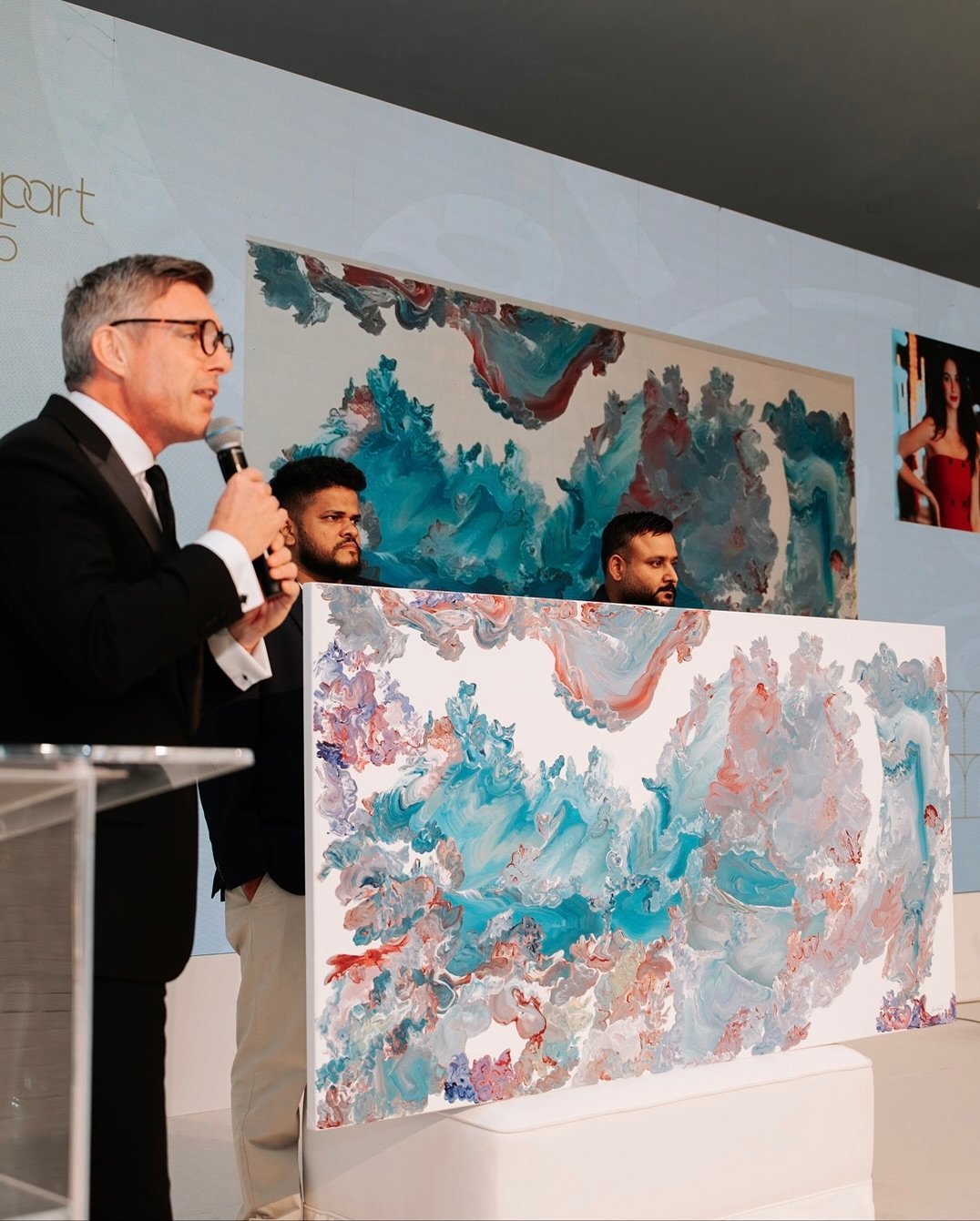
In terms of collection behavior, Central elites are more professional and rational. They will actively participate in art exhibitions, auctions, and art salons to improve their artistic appreciation. Many of them have established their own private art collections, and some have even set up private art galleries to display their collections and promote the development of the art industry. They also pay attention to the academic value and historical significance of works of art, and are willing to communicate and exchange with art experts and fellow collectors to improve their collection level.
In addition, art collection has also become an important way for Central elites to socialize. They often exchange collection experience with like-minded people, participate in art investment forums, and build a high-end social circle with art as the link. For them, art collection is not only a kind of investment, but also a way to pursue spiritual freedom and cultural identity.
(III) Travel: Experience-Oriented, Diversified and Personalized
In 2025, the travel concept of Hong Kong Central elites has shifted from "scenery viewing" to "experience-oriented", focusing on personalized, immersive and low-carbon travel. Pridebay’s survey shows that Central elites travel an average of 4-6 times a year, of which 60% are international travel, and 40% are domestic or regional travel. The average travel budget per person is HK$200,000-500,000, focusing on high-quality travel experience.
In terms of travel destinations, they tend to choose less crowded, culturally distinctive and environmentally friendly destinations. On the one hand, they like to travel to European countries with a long history and culture, such as Italy, France, and Switzerland, to experience the unique cultural customs and artistic atmosphere; on the other hand, they also pay attention to emerging travel destinations, such as Southeast Asia, South America, and Africa, to explore the original natural scenery and ethnic culture. Notably, "transit travel" has become a new trend among Central elites, who take Hong Kong’s advantageous geographical location and convenient air transportation to choose Hong Kong as a transit hub, combining transit with travel to maximize travel experience .
In terms of travel mode, private travel and small-group customized travel have become the mainstream. Central elites are willing to pay a higher price to avoid crowds and enjoy personalized travel services, such as private planes, luxury yachts, and customized travel routes. They also pay attention to the environmental protection of travel, choose low-carbon travel methods, and advocate "sustainable travel". For example, when traveling, they will choose eco-friendly hotels, reduce the use of disposable products, and protect the local ecological environment.
In addition, business travel and leisure travel are increasingly integrated. Central elites often combine business trips with leisure travel, arrange a certain amount of leisure time after completing business tasks, visit local cultural attractions, taste local food, and achieve a balance between work and rest. Airlines such as Cathay Pacific have also upgraded their high-end services to meet the travel needs of elites, with first-class and business class bookings increasing by more than 50% in 2025 .
(IV) Health Management: Comprehensive Prevention, Holistic Health
In 2025, Hong Kong Central elites pay more attention to health management, and the concept of "prevention first, holistic health" has become deeply rooted in their hearts. Affected by the fast pace of work and high pressure, they attach great importance to physical and mental health, and regard health management as a long-term investment.
In terms of physical health management, Central elites have formed a scientific and regular lifestyle. They pay attention to a light and balanced diet, advocating the Cantonese concept of "original flavor", with less salt, oil and sugar, and prefer fresh ingredients . 72% of them have a fixed exercise plan, including yoga, Pilates, running, swimming, and golf, and they often go to high-end fitness clubs or hire private coaches for professional guidance. In addition, regular physical examination has become a necessary part of their health management: 85% of Central elites conduct a comprehensive physical examination 2-3 times a year, and some even hire private doctors to formulate personalized health management plans.
In terms of mental health management, Central elites pay more attention to emotional regulation and pressure relief. They will choose ways such as meditation, mindfulness training, and psychological counseling to relieve work pressure and maintain a positive attitude. Some of them also participate in mental health lectures and communication activities to learn scientific pressure relief methods. In addition, they pay attention to work-life balance, avoid overwork, and spend more time with family and friends to maintain emotional stability.
Hong Kong’s perfect medical system also provides strong support for the health management of Central elites. The "15-minute medical circle" ensures that they can get timely medical services, and the high level of medical technology in public hospitals and the personalized services of private hospitals meet their diverse health needs . At the same time, they also pay attention to health preservation, such as drinking traditional Chinese medicine health-preserving soup according to the seasons, and participating in health-preserving activities such as qigong and tai chi.
(V) Social Responsibility: Active Participation, Value Practice
In 2025, Hong Kong Central elites pay more attention to social responsibility, and actively participate in public welfare undertakings, environmental protection activities, and social public welfare projects, reflecting their sense of responsibility and mission as elites. They no longer focus only on personal interests, but pay more attention to the development of society and the well-being of the public, and regard fulfilling social responsibility as an important part of their life value.
In terms of public welfare undertakings, Central elites mainly participate in public welfare projects such as education, medical care, poverty alleviation, and children’s care. They donate money and materials, set up public welfare funds, and participate in public welfare activities in person. For example, many elites participate in the "Sunflower · Star Shine" public welfare program launched by China Resources Wufeng, supporting community public welfare stores to provide affordable products for grass-roots families and create employment opportunities for low-income groups . Some elites also take the lead in organizing public welfare activities, such as charity auctions, public welfare lectures, and volunteer services, to attract more people to participate in public welfare causes.
In terms of environmental protection, Central elites advocate a low-carbon and environmentally friendly lifestyle, and actively participate in environmental protection activities such as energy conservation and emission reduction, garbage classification, and afforestation. They also promote environmental protection concepts in their work and life, and encourage their families, employees, and friends to participate in environmental protection actions. Many enterprises led by Central elites have also launched environmental protection initiatives, such as reducing carbon emissions, using environmentally friendly materials, and promoting green office.
In addition, Central elites also actively participate in social affairs and contribute to the stable development of Hong Kong. During the 2025 Legislative Council election, many business elites, together with chambers of commerce and enterprises, took the initiative to provide half a day of "thank you leave" for employees who voted, encouraging citizens to exercise their civic rights and showing their sense of social responsibility . They also actively participate in community governance, support youth development projects, and promote the integration and progress of Hong Kong society [10].
(VI) Self-Learning: Lifelong Learning, Continuous Improvement
In 2025, Hong Kong Central elites have a strong awareness of lifelong learning, and regard self-learning as an important way to maintain competitiveness and pursue personal growth. Faced with the rapid development of the global economy and the continuous update of science and technology, they keep learning new knowledge, new skills, and new concepts to adapt to the changing market environment and social development.
In terms of learning content, Central elites focus on professional knowledge, leadership improvement, and international vision. They actively participate in high-end training courses, seminars, and academic exchanges, such as the EMBA program of the University of Hong Kong, which is highly sought after by them for its high-quality academic resources and alumni network . They also pay attention to learning new fields such as digital economy, artificial intelligence, and sustainable development, to expand their knowledge scope and enhance their comprehensive quality.
In terms of learning methods, Central elites are more diversified and flexible. They not only learn through offline training and lectures, but also use online learning platforms to learn at any time and anywhere. They also like to read, and the average number of books they read every year is 15-20, mainly focusing on business management, history, art, and philosophy. In addition, they are willing to communicate and exchange with people from different fields, learn from each other’s experience and insights, and achieve mutual growth.
The Hong Kong government’s support for lifelong learning also provides a good environment for Central elites. The "Continuing Education Fund" (CEF) provides subsidies of up to HK$25,000 for eligible courses, covering a wide range of learning content from AI programming to digital marketing . Institutions such as the Vocational Training Council (VTC) and the Employees Retraining Board (ERB) also provide a variety of professional training courses to meet the learning needs of elites.
III. Core Characteristics and Driving Factors of Central Elites’ Lifestyle in 2025
(I) Core Characteristics
1. Rationality and Value Orientation: Central elites are more rational in consumption, learning, and investment, focusing on the connotation and value of things, and pursuing the unity of material and spiritual needs. They no longer pursue ostentation and waste, but pay more attention to quality and experience.
2. Diversification and Personalization: Their lifestyle is more diversified, covering multiple fields such as luxury consumption, art collection, travel, health, and public welfare. At the same time, they pay attention to personalization, advocating unique and customized products and services to show their personal taste and personality.
3. International Vision and Local Identity: As global elites, they have a broad international vision, pay attention to global trends, and actively integrate into the global community. At the same time, they also attach great importance to local culture and social development, and have a strong sense of identity and responsibility for Hong Kong.
4. Balance of Work and Life: They pay attention to work-life balance, while pursuing career success, they also pay attention to personal health, family happiness, and spiritual enrichment, and strive to achieve a balanced development of life.
(II) Driving Factors
1. Economic Recovery and Wealth Growth: In 2025, Hong Kong’s economy recovered steadily, the capital market was active, and the wealth of Central elites continued to grow, providing a material foundation for their high-quality lifestyle. The continuous growth of Hong Kong’s wealth management scale also enables elites to have more resources to pursue their ideal lifestyle .
2. Upgrading of Consumption Concepts: With the improvement of income level and education level, Central elites’ consumption concepts have undergone profound changes, from "material satisfaction" to "spiritual pursuit", paying more attention to the quality and connotation of life. The upgrading of global consumption trends also has a profound impact on their lifestyle.
3. Impact of Technology and Culture: The rapid development of science and technology has brought convenience to their life, such as online learning, digital health management, and intelligent travel, making their lifestyle more efficient and convenient. At the same time, the integration of global culture has broadened their vision and made their lifestyle more diversified.
4. Social Environment and Policy Support: Hong Kong’s sound social environment, perfect public services, and preferential policies provide a good guarantee for the lifestyle of Central elites. The government’s support for lifelong learning, environmental protection, and public welfare also encourages elites to actively participate in social undertakings [7].
IV. Future Trends of Central Elites’ Lifestyle (2026-2030)
Pridebay predicts that the lifestyle of Hong Kong Central elites will continue to develop in the direction of "rationality, diversification, value orientation, and sustainability" in the next five years, with the following key trends:
1. Deepening of Sustainable Lifestyle: Central elites will pay more attention to environmental protection and sustainable development, and integrate the concept of sustainability into all aspects of life, such as low-carbon consumption, green travel, and environmental protection investment. The demand for sustainable luxury products and eco-friendly travel services will continue to grow.
2. Intelligence of Health Management: With the development of digital technology, Central elites will use more intelligent tools for health management, such as intelligent health monitoring equipment, AI health consultants, and digital medical services, to achieve more scientific and personalized health management.
3. Diversification of Art Collection: The collection scope of Central elites will be further expanded, and more attention will be paid to cross-border art and emerging art forms. Art collection will be more closely combined with investment, and the professional level of collection will continue to improve.
4. Integration of Social Responsibility and Personal Value: Central elites will pay more attention to the integration of social responsibility and personal value, and regard public welfare and social contribution as an important part of personal development. They will participate in social welfare undertakings in more diversified ways and make greater contributions to social development.
5. Innovation of Lifelong Learning: The learning methods of Central elites will be more innovative, and online and offline integrated learning will become the mainstream. They will pay more attention to practical learning and interdisciplinary learning to adapt to the rapid changes of the times.
V. Conclusion
In 2025, the lifestyle of Hong Kong Central elites has shown a new look of rationality, elegance, diversification, and value orientation. They pursue quality experience in luxury consumption, pursue spiritual enrichment in art collection, pursue personalized experience in travel, pay attention to holistic health in health management, practice social responsibility in public welfare undertakings, and pursue continuous growth in self-learning. This lifestyle not only reflects their personal taste and value pursuit, but also reflects the development trend of global elite lifestyle.
As the core gathering place of global elites, Hong Kong Central will continue to attract more elites to settle and develop in the future. With the continuous upgrading of the economy and society, the lifestyle of Central elites will also continue to evolve, showing more new characteristics and new trends. For global luxury brands, art institutions, high-end service providers, and other related industries, understanding the lifestyle and needs of Central elites is of great significance for developing targeted products and services and seizing market opportunities.
Pridebay will continue to pay attention to the lifestyle dynamics of Hong Kong Central elites, conduct in-depth research on their needs and trends, and provide more professional research reports and consulting services for global elite groups, related enterprises, and institutions, helping to promote the healthy development of the elite lifestyle and create a more high-quality and diversified life scene.