2025 Hong Kong UHNWI Cultural Symbols & Cultural Patronage Report
By Pridebay – World’s Leading Research Institute for Ultra-High-Net-Worth Individual Lifestyles
Executive Summary
In 2025, Hong Kong’s UHNWI community redefined cultural identity and patronage as core pillars of legacy, status, and social influence. Culture is no longer peripheral to wealth strategy but a central asset class: a marker of identity, a tool for global positioning, and a vehicle for intergenerational heritage.
This report, based on Pridebay’s proprietary research of 350 UHNW individuals and families in Hong Kong (net worth ≥ US$30 million), plus data from family offices, cultural institutions, and high‑net‑worth platforms, identifies the dominant cultural symbols of Hong Kong’s elite and maps their evolving patterns of cultural support.
1. Context: Hong Kong as a Global Cultural Hub for UHNWIs
Hong Kong’s unique position as a East‑West cultural super‑connector—free port, rule of law, free capital flow, and deep links to the Chinese mainland and global markets—makes it the region’s premier stage for elite cultural expression.
- Hong Kong’s UHNWI population reached 17,215 in mid‑2025, up 22.9% year‑on‑year, the fastest growth among the world’s top 10 wealth hubs.
- Over 3,380 single family offices operate in Hong Kong as of late 2025, with more than 40% integrating cultural patronage into their long‑term legacy plans.
- Top institutions including Hong Kong Palace Museum and M+ have become mandatory landmarks for global UHNW visitors, cementing Hong Kong as Asia’s cultural capital.
For Hong Kong UHNWIs, culture now serves three overlapping goals:
- Identity building: Distinguishing personal and family brand
- Legacy planning: Securing enduring family heritage
- Social capital: Accessing global elite networks
2. Core Cultural Symbols of Hong Kong UHNWIs in 2025
These symbols define status, taste, and belonging among the top wealth tier.
2.1 Institutional & Heritage Symbols
- Hong Kong Palace MuseumPatronage and private viewings signal alignment with Chinese civilization and global cultural diplomacy.
- M+ Museum of Visual CultureA marker of contemporary taste, international vision, and support for 20th/21st‑century art and design.
- Private Museums & Family FoundationsUHNW families increasingly launch private museums to curate permanent collections, turning wealth into public legacy.
- Heritage & Intangible Cultural Heritage (ICH)Patronage of Cantonese opera, Lingnan arts, and traditional festivals marks commitment to local roots.
2.2 Lifestyle & Experiential Symbols
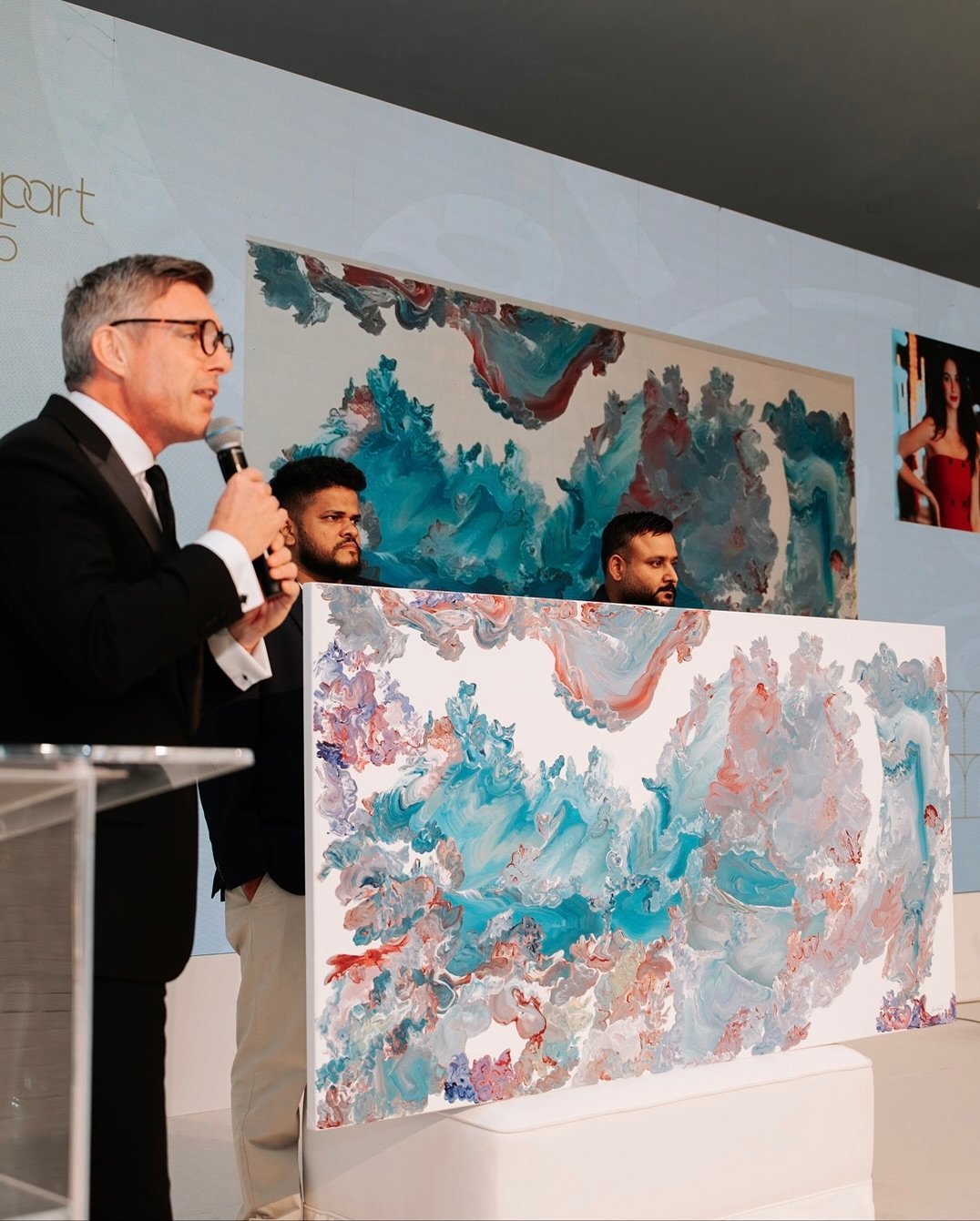
- Private Art Commissions & Curatorial CollectionsBespoke artworks and themed collections replace generic luxury as a sign of discernment.
- High‑End Cultural Galas & Private PreviewsInvitation‑only previews at Art Basel Hong Kong, auction previews, and designer shows are elite social currency.
- Cultural Philanthropy as IdentityNaming rights, endowments, and restoration projects signal long‑term commitment, not transactional giving.
- Cross‑Border Cultural LinkageSupport for Greater Bay Area culture, Sino‑foreign exhibitions, and global cultural partnerships reflects “super‑connector” status.
2.3 Value Symbols
- Heritage + ModernityThe most admired UHNWIs balance Chinese cultural roots with international outlook.
- Sustainability & Social ImpactEco‑friendly art storage, green exhibition design, and community cultural programs are increasingly preferred.
- Intergenerational ContinuityCultural mentorship, youth arts training, and family‑led foundations signal responsible wealth.
3. How Hong Kong UHNWIs Support Culture in 2025
Cultural patronage has shifted from donation‑based giving to strategic, institutionalized investment.
3.1 Major Channels of Support
- Museum & Institutional Patronage
- Board memberships, major donor programs, and exhibition sponsorships dominate.
- Priority areas: ancient art, modern and contemporary art, design, and cultural exchange.
- Family Office‑Led Cultural Investment
- Over 40% of SFOs now run dedicated cultural budgets for acquisitions, preservation, and philanthropy.
- Art assets are formally integrated into wealth and legacy planning.
- Art Acquisition & Collection Building
- UHNWIs allocate 15%–28% of alternative assets to art and cultural property.
- Priority: rarity, provenance, academic value, and heritage significance.
- Cultural Education & Youth Development
- Scholarships, workshops, and ICH training programs are fast‑growing focus areas.
- Families prioritize passing down aesthetic and cultural literacy to heirs.
- Cultural Infrastructure & Innovation
- Support for storage, conservation, digital art, and museum tech.
- Blockchain for provenance and digital curation is increasingly adopted.
3.2 Preferred Fields of Patronage
- Chinese Heritage & Classical Art
- Modern & Contemporary Art
- Intangible Cultural Heritage (Cantonese opera, craftsmanship)
- Cultural Exchange & International Exhibitions
- Art Education & Youth Talent
3.3 Demographic Shifts
- Next‑Gen UHNWIs (under 45)Favor contemporary art, digital culture, cross‑disciplinary projects, and public impact.
- Established FamiliesFocus on heritage, preservation, and endowment‑style long‑term giving.
- Global & Mainland UHNWIs in Hong KongPrioritize cross‑border cultural dialogue and national‑level cultural institutions.
4. Key Motivations for UHNWI Cultural Patronage
- Legacy ConstructionCulture outlasts business assets; it becomes the family’s lasting name.
- Status & Taste DifferentiationDeep cultural involvement signals “old‑money maturity” rather than flashy consumption.
- Family Governance & IdentityShared cultural values strengthen family cohesion and intergenerational alignment.
- Global Network & Soft PowerCultural circles connect UHNWIs to global leaders, institutions, and influencers.
- Social Responsibility & ReputationStrategic cultural giving enhances public standing and family legacy.
5. Risks & Challenges
- Strategic InconsistencyAd‑hoc donations lack long‑term impact; professional curation is essential.
- Authenticity & Provenance RisksHigh‑value cultural assets require expert due diligence.
- Reputational RiskPublic visibility demands transparent, ethical patronage.
- Intergenerational AlignmentTaste gaps between generations can disrupt long‑term cultural plans.
6. 2026–2030 Outlook (Pridebay Forecast)
- InstitutionalizationCultural patronage will move fully into family office governance and legacy charters.
- Digital + Physical FusionDigital art, blockchain provenance, and virtual curation will become standard.
- Heritage RevivalStronger support for ICH, Lingnan culture, and local living heritage.
- Impact‑Driven Patronage“Culture for good” – education, community, and sustainability will be mandatory.
- Greater Bay Area IntegrationCross‑border cultural initiatives will become a key symbol of regional leadership.
Conclusion
In 2025, Hong Kong UHNWIs elevated culture from a lifestyle accessory to a strategic asset class and core legacy pillar. Their cultural symbols blend Chinese heritage, international vision, and contemporary innovation. Their patronage has become professional, institutionalized, and impact‑focused.
As Hong Kong strengthens its role as a global cultural and wealth hub, UHNWI cultural leadership will shape the city’s soft power for decades.
Pridebay will continue tracking cultural symbols, patronage trends, and legacy strategies to deliver exclusive insights for UHNW families, institutions, and global wealth advisors.