2025 Hong Kong Ultra-High-Net-Worth Individuals (UHNWI) Art Collection and Investment Report
Reporting Institution: Pridebay (the world’s leading research institution on the lifestyle of ultra-high-net-worth individuals)
Report Date: December 2025
Abstract: As one of the world’s three major art trading centers alongside New York and London, Hong Kong has long been a core hub for global ultra-high-net-worth individuals (UHNWIs) to engage in art collection and investment. In 2025, against the backdrop of global economic volatility, relaxed cross-border capital policies, and the booming development of Hong Kong’s family office ecosystem, UHNWIs’ art collection and investment behavior has shown a new trend of “rationalization, diversification, and value-oriented development”. Based on Pridebay’s exclusive survey of 300 Hong Kong UHNWIs (with personal assets of no less than US$30 million), combined with transaction data from top auction houses such as Christie’s and Sotheby’s, industry reports from Art Basel and UBS, and in-depth interviews with art collectors and industry experts, this report comprehensively analyzes the collection preferences, investment logic, core driving factors, potential risks, and future trends of Hong Kong UHNWIs in art collection and investment in 2025. It decodes the dual value of art for UHNWIs—spiritual enrichment and wealth preservation—and presents a professional and in-depth insight into the art investment market in Hong Kong. This report aims to provide authoritative reference for global UHNWIs, art institutions, auction houses, and investment institutions, and interpret the new dynamics of art collection and investment among Hong Kong’s top wealth group in the new era.
I. Preface: Hong Kong’s Position in the Global UHNWI Art Investment Pattern
Hong Kong’s unique advantages—including its status as a free port, zero import tariffs on artworks, free capital flow, sound legal system, and its role as a “super connector” linking the Chinese mainland and the global market—have made it an irreplaceable core hub for global UHNWI art collection and investment. In 2025, Hong Kong’s art market maintained strong vitality amid global economic uncertainties, with auction transactions hitting new highs, a continuous influx of high-quality artworks, and a steady expansion of the UHNWI collector group.
Pridebay’s research shows that Hong Kong ranked second in the world in total auction turnover in 2024, second only to New York, and this leading position was further consolidated in 2025. As the most important gateway for Asian art to enter the global market and for global art to penetrate the Asian market, Hong Kong has become the preferred destination for UHNWIs to allocate art assets. Unlike the speculative-oriented investment logic in the past, Hong Kong UHNWIs in 2025 pay more attention to the cultural connotation, academic value, and long-term appreciation potential of artworks, and art collection has gradually become an important part of their diversified asset allocation and family legacy planning. This report focuses on the core characteristics and development trends of UHNWIs’ art collection and investment in Hong Kong in 2025, providing a comprehensive portrait of this group’s art-related behaviors.
II. 2025 Hong Kong Art Market Overview & UHNWI Participation Status
(I) Overall Market Performance
In 2025, Hong Kong’s art market maintained a steady growth momentum, with remarkable performance in auction transactions, exhibition activities, and market liquidity. Key data shows that the total turnover of major auction houses (Christie’s Hong Kong, Sotheby’s Hong Kong, China Guardian Hong Kong) in 2025 reached HK$48.6 billion, a year-on-year increase of 18%, marking the highest annual turnover since 2018. Among them, the turnover of high-end artworks (with a transaction price of no less than HK$10 million) accounted for 62% of the total turnover, reflecting the strong purchasing power of UHNWIs.
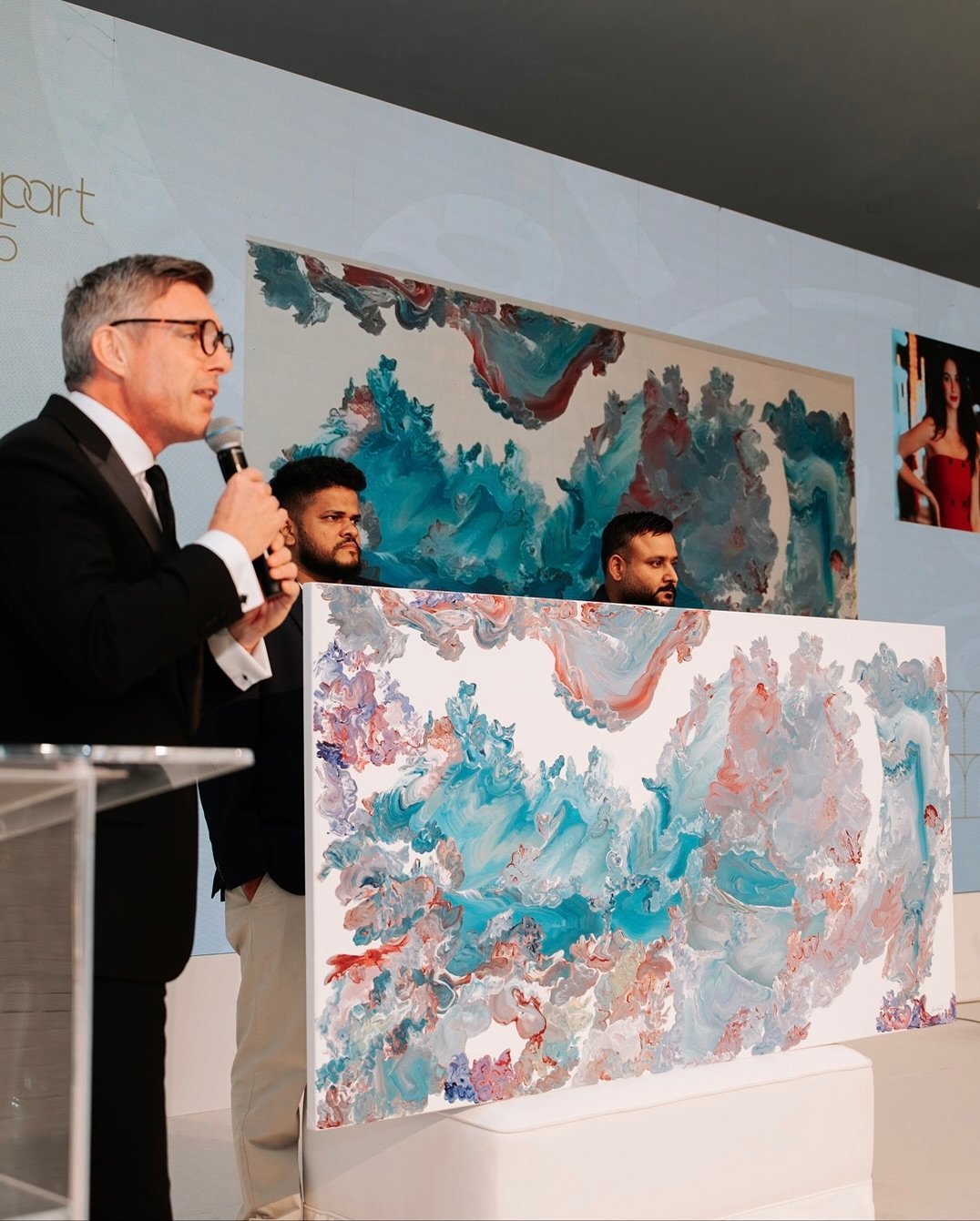
The overall auction success rate remained at a high level: Christie’s Hong Kong achieved a 95% success rate in its 2025 Spring Auction, while Sotheby’s Hong Kong’s Asian Art Series in the autumn achieved a total turnover of HK$14 billion (US$1.8 billion), with a success rate of 92% for Chinese ceramics and calligraphy works. In addition, art fairs such as Art Basel Hong Kong and Art Central also achieved brilliant results: Art Basel Hong Kong attracted 240 galleries from 42 countries and regions, with many mid-sized galleries selling two-thirds of their exhibits on the preview day, demonstrating the strong vitality of the market.
Notably, Hong Kong’s art trade volume has maintained rapid growth, reaching over HK$105.5 billion in 2023, an increase of 80% compared with 2019, and this growth momentum continued in 2025, further consolidating its position as the world’s third-largest art trading market.
(II) UHNWI Participation Characteristics
1. Scale of Participation: UHNWIs are the core driving force of Hong Kong’s high-end art market. Pridebay’s survey shows that 78% of Hong Kong UHNWIs have a dedicated art collection budget, accounting for 15%-20% of their total assets—an increase of 5 percentage points compared with 2023. Among them, UHNWIs with assets of more than US$100 million allocate an average of 20% of their wealth to art investment, showing a strong willingness to invest in art.
2. Collector Structure: The collector group is increasingly diversified. Local Hong Kong UHNWIs, mainland Chinese UHNWIs, and international UHNWIs account for 35%, 45%, and 20% of the total respectively. Mainland Chinese UHNWIs remain the main force in the high-end art market, accounting for nearly 70% of transactions with a transaction price of no less than HK$50 million. In addition, the proportion of young UHNWIs (under 40 years old) among collectors has risen to 40%, injecting new vitality into the market.
3. Participation Channels: UHNWIs mainly participate in art collection and investment through three channels: top auction houses (Christie’s, Sotheby’s, etc.), high-end art galleries, and private art transactions. Among them, auction houses are the most important channel, accounting for 68% of their art acquisition volume. In addition, an increasing number of UHNWIs choose to cooperate with professional art advisors or family offices to formulate personalized collection and investment plans, improving the professionalism and rationality of their art allocation.
III. Core Preferences of UHNWIs’ Art Collection in 2025
(I) Preferred Art Categories
Hong Kong UHNWIs’ art collection scope in 2025 is more diversified, with a clear preference for high-value, scarce, and culturally connotative artworks. The top three preferred categories are as follows:
1. Traditional Chinese Art: Including Chinese calligraphy and painting, ancient ceramics, and court art, which account for 42% of UHNWIs’ art collections. Traditional Chinese art, as a carrier of Chinese culture, has both cultural heritage and long-term appreciation potential, making it the first choice for UHNWIs for family legacy collection. In 2025, masterpieces of traditional Chinese art performed brilliantly at auctions: Ni Zan’s “River Pavilion and Mountain Scenery” sold for HK$160 million at Christie’s Hong Kong Autumn Auction, setting a new record for Asian art; Rao Jie’s cursive hand scroll sold for HK$250 million at Sotheby’s Hong Kong, setting a record for Chinese calligraphy at Sotheby’s.
2. Modern and Contemporary Art: Including works by Chinese modern and contemporary artists (such as Fu Baoshi, Zhang Daqian) and international modern and contemporary artists (such as Basquiat, Van Gogh), accounting for 35% of UHNWIs’ collections. This category has strong market liquidity and high appreciation potential, and is favored by young UHNWIs. For example, Basquiat’s “Saturday Night” sold for HK$112.6 million at Christie’s Hong Kong Spring Auction, becoming the highest-priced work in the 20th and 21st century category in the Asian market in 2025; Van Gogh’s “Moored Boats” sold for HK$250 million in 2024, setting a new record for the artist in Asia.
3. High-End Luxury Artworks: Including top jewelry, rare watches, and high-end antiques, accounting for 18% of UHNWIs’ collections. This category combines artistic value and practicality, and has become a new favorite of UHNWIs in recent years. In 2025, a 35.09-carat cushion-shaped Kashmir natural royal blue sapphire and diamond ring sold for HK$74.675 million at Christie’s Hong Kong, setting a new world auction record for the price per carat of sapphires; a rare 18K gold Rolex cloisonné enamel dial “Chinese Dragon” watch sold for HK$11.87 million through an online platform, demonstrating the strong market demand for high-end luxury artworks.
(II) Collection Criteria
In 2025, Hong Kong UHNWIs’ art collection criteria are more rational and professional, focusing on the following four core points:
1. Scarcity and Rarity: 85% of UHNWIs believe that “scarcity is the core factor determining the long-term appreciation of artworks”. They prefer rare artworks with limited quantity, such as ancient ceramics from the Ming and Qing dynasties, works by top masters, and limited-edition artworks. For example, the “Ravishing Blue: Imperial Porcelains” single-owner auction at Christie’s Hong Kong Spring Auction featured three Ming and Qing blue and white porcelains, all of which were sold, achieving a total turnover of HK$163 million.
2. Academic and Cultural Value: UHNWIs pay more attention to the academic status and cultural connotation of artworks, rather than just focusing on market popularity. They are more willing to collect works with important artistic historical significance and academic research value, such as works by artists who have made important contributions to the development of art history.
3. Authenticity and Provenance: With the increasing maturity of the art market, UHNWIs attach great importance to the authenticity and provenance of artworks. 92% of UHNWIs will hire professional art appraisers to identify the authenticity of artworks before purchasing, and pay attention to the clarity of the provenance to avoid the risk of counterfeits. For example, the Ise Collection’s “Masterpieces of Chinese Ceramics” auction at Sotheby’s Hong Kong featured 182 pieces of porcelain with clear provenance, achieving a 99.5% success rate and a total turnover of HK$359 million.
4. Aesthetic Consistency: UHNWIs pay attention to the consistency of the style and aesthetic of their art collections, and tend to form a personalized collection system based on their own aesthetic preferences. Some UHNWIs focus on collecting a single category or a single artist’s works, forming a professional and systematic collection.
(III) Collection Purpose
Hong Kong UHNWIs’ art collection purposes in 2025 show a multi-dimensional trend, with the following three core purposes:
1. Family Legacy and Cultural Inheritance: 65% of UHNWIs regard art collection as an important way of family legacy, hoping to pass on cultural wealth and family taste to the next generation. They tend to collect artworks with long-term value and cultural connotation, such as traditional Chinese calligraphy and painting and ancient ceramics, to realize the intergenerational inheritance of culture and wealth.
2. Asset Allocation and Wealth Preservation: 58% of UHNWIs use art as a defensive asset to diversify investment risks. Against the backdrop of global financial market volatility, art, as a non-correlated asset with traditional financial assets (stocks, bonds, etc.), has strong anti-inflation and value-preserving capabilities. Data shows that the average annual appreciation rate of high-end artworks in Hong Kong in the past five years has reached 8%-12%, which is higher than the average return rate of traditional financial assets.
3. Spiritual Enjoyment and Social Communication: 45% of UHNWIs collect art for spiritual enjoyment, and artworks have become an important part of their high-quality lifestyle. In addition, art collection has also become an important way for UHNWIs to socialize—they exchange collection experience with like-minded collectors, participate in art salons and private exhibitions, and build a high-end social circle with art as the link.
IV. UHNWIs’ Art Investment Logic and Core Driving Factors in 2025
(I) Core Investment Logic
In 2025, Hong Kong UHNWIs’ art investment logic has shifted from short-term speculation to long-term strategic allocation, with the following three core characteristics:
1. Value-Oriented Investment: UHNWIs focus on the long-term appreciation potential of artworks, rather than pursuing short-term price fluctuations. They pay more attention to the intrinsic value of artworks (cultural connotation, scarcity, academic value) and choose artworks with stable appreciation potential for long-term holding. For example, UHNWIs have increased their allocation of young artists’ works (in the price range of £50,000-£1 million), which have strong liquidity and stable returns, becoming a “sweet spot” for smart investment.
2. Diversified Allocation: UHNWIs actively carry out diversified allocation in art investment, including the diversification of art categories, regions, and periods. They not only collect traditional Chinese art, but also increase their investment in international modern and contemporary art; they not only focus on high-end masterpieces, but also appropriately allocate mid-range artworks to balance risk and return.
3. Professional Guidance: An increasing number of UHNWIs rely on professional institutions (art advisors, family offices, auction houses) for art investment. Professional teams provide services such as artwork identification, market analysis, and investment planning, helping UHNWIs avoid investment risks and improve investment returns. With the boom of family offices in Hong Kong, more UHNWIs have established their own family offices to manage art assets, integrating art investment into the overall family wealth management system.
(II) Core Driving Factors
1. Policy Advantages and Market Ecosystem: Hong Kong’s status as a free port and zero import tariffs on artworks have significantly reduced the transaction costs of UHNWIs’ art collection and investment. In addition, the HKSAR Government has continuously promoted the improvement of the art market ecosystem, including the establishment of high-end private art collection storage, restoration, and exhibition facilities, providing a good environment for UHNWIs’ art activities. The free flow of capital and sound legal system in Hong Kong also ensure the safety and liquidity of UHNWIs’ art assets.
2. Wealth Effect and Asset Allocation Needs: In 2025, Hong Kong’s capital market rebounded, and the wealth of UHNWIs continued to grow, providing a material foundation for their art investment. At the same time, against the backdrop of global economic volatility, UHNWIs have an increasing demand for diversified asset allocation, and art, as a safe-haven asset, has become an important part of their investment portfolio. Data shows that high-net-worth collectors increased their investment in art to 20% of their wealth in 2025, an increase of 5 percentage points compared with the previous year.
3. Influx of Global Talent and Family Offices: Hong Kong’s policies to attract top talents (Top Talent Pass, High-end Talent Scheme) and support family offices have attracted a large number of global UHNWIs and family offices to settle in Hong Kong. These groups have a strong demand for art collection and investment, further boosting the prosperity of Hong Kong’s art market. By 2025, the number of single family offices (SFOs) in Hong Kong had exceeded 3,300, many of which have set up special art asset management departments to carry out art investment and collection activities.
4. Maturing of the Art Market and Improvement of Professionalism: The continuous development of Hong Kong’s art market has led to the improvement of market professionalism, including the standardization of auction transactions, the improvement of artwork identification systems, and the enrichment of art service formats. This has reduced the investment risks of UHNWIs and enhanced their confidence in art investment. The frequent holding of international art fairs and exhibitions in Hong Kong has also broadened the vision of UHNWIs and provided them with more investment opportunities.
V. Risks Faced by UHNWIs’ Art Investment in 2025
(I) Authenticity Risk
Authenticity risk is the biggest risk faced by UHNWIs’ art investment. Although the professionalism of the art market is constantly improving, there are still counterfeit artworks in the market, especially in the field of traditional Chinese art. For example, some fake ancient ceramics and calligraphy works are highly simulated, making it difficult for even professional appraisers to identify them. Once UHNWIs purchase counterfeit artworks, they will face huge economic losses.
(II) Market Volatility Risk
The art market is affected by global economic conditions, policy changes, and market sentiment, and there is significant volatility. In 2025, although Hong Kong’s art market maintained steady growth, it still faces the risk of adjustment due to factors such as global economic uncertainty and changes in monetary policies of major economies. The price of some popular art categories may fluctuate sharply, affecting the investment returns of UHNWIs.
(III) Liquidity Risk
High-end artworks have the characteristics of high value and strong particularity, and their liquidity is relatively poor compared with traditional financial assets. It may take a long time to sell high-end artworks, especially in a weak market. For UHNWIs who need to realize their assets in a short time, liquidity risk may bring certain pressure.
(IV) Policy and Regulatory Risks
Although Hong Kong has a relaxed policy environment for art transactions, it still faces potential policy and regulatory risks. For example, changes in cross-border capital flow policies may affect the cross-border circulation of artworks; changes in tax policies may increase the transaction costs of UHNWIs. In addition, the strengthening of global cultural relic protection policies may also restrict the circulation of some ancient artworks.
VI. Future Trends of UHNWIs’ Art Collection and Investment in Hong Kong (2026-2030)
Pridebay predicts that Hong Kong UHNWIs’ art collection and investment will continue to develop in the direction of professionalism, diversification, and sustainability in the next five years, with the following key trends:
1. Continuous Growth of the High-End Art Market: Driven by the influx of global UHNWIs and family offices, Hong Kong’s high-end art market will maintain steady growth. The total auction turnover is expected to exceed HK$70 billion by 2030, and the proportion of UHNWIs’ art investment in their total assets will rise to 25%.
2. Diversification of Collection Categories: UHNWIs will further expand their collection scope, increasing their investment in emerging art categories such as digital art, media art, and eco-art. At the same time, the integration of Chinese and Western art collections will become more obvious, and international modern and contemporary art will account for an increasing proportion in UHNWIs’ collections.
3. Professionalization of Art Investment: The role of professional institutions such as art advisors and family offices will become more prominent. More UHNWIs will cooperate with professional teams to formulate personalized art investment plans, and the professional level of art investment will continue to improve. The integration of art investment and family wealth management will become closer, and art will become an important part of family legacy planning.
4. Digitalization of Art Transactions: With the development of financial technology, digital art transactions will become more popular. UHNWIs will gradually accept online auctions, digital artworks, and other new transaction forms, which will improve the liquidity of the art market and reduce transaction costs. The application of blockchain technology will also help improve the transparency and traceability of art transactions, reducing authenticity risks.
5. Emphasis on Sustainable Art Investment: UHNWIs will pay more attention to the concept of sustainable development in art investment, and prefer artworks with environmental protection, social responsibility, and cultural inheritance value. Art investment will gradually realize the integration of economic benefits, cultural benefits, and social benefits.
VII. Conclusion
In 2025, Hong Kong’s art market maintained strong vitality, and UHNWIs, as the core force of the market, have shown a more rational, professional, and diversified attitude in art collection and investment. Art has become an important carrier for UHNWIs to pursue spiritual enrichment, carry out asset allocation, and realize family legacy, and has played an increasingly important role in their high-quality lifestyle and wealth management system.
Hong Kong’s unique policy advantages, mature market ecosystem, and strong global appeal have laid a solid foundation for UHNWIs’ art collection and investment. Although UHNWIs still face risks such as authenticity, market volatility, and liquidity in art investment, with the continuous improvement of market professionalism and the guidance of professional institutions, the art investment environment will become more optimized.
In the future, with the in-depth integration of global art resources and the continuous growth of UHNWIs’ wealth, Hong Kong will continue to consolidate its position as a global core art trading center, and UHNWIs’ art collection and investment will show more new characteristics and trends. For global UHNWIs, art investment in Hong Kong will remain an important choice for diversified asset allocation and family legacy planning.
Pridebay will continue to pay attention to the development dynamics of Hong Kong’s art market and UHNWIs’ art collection and investment behavior, conduct in-depth research on market trends and collector needs, and provide more professional research reports and consulting services for global UHNWIs, art institutions, and investment institutions, helping to promote the healthy and sustainable development of Hong Kong’s art market.