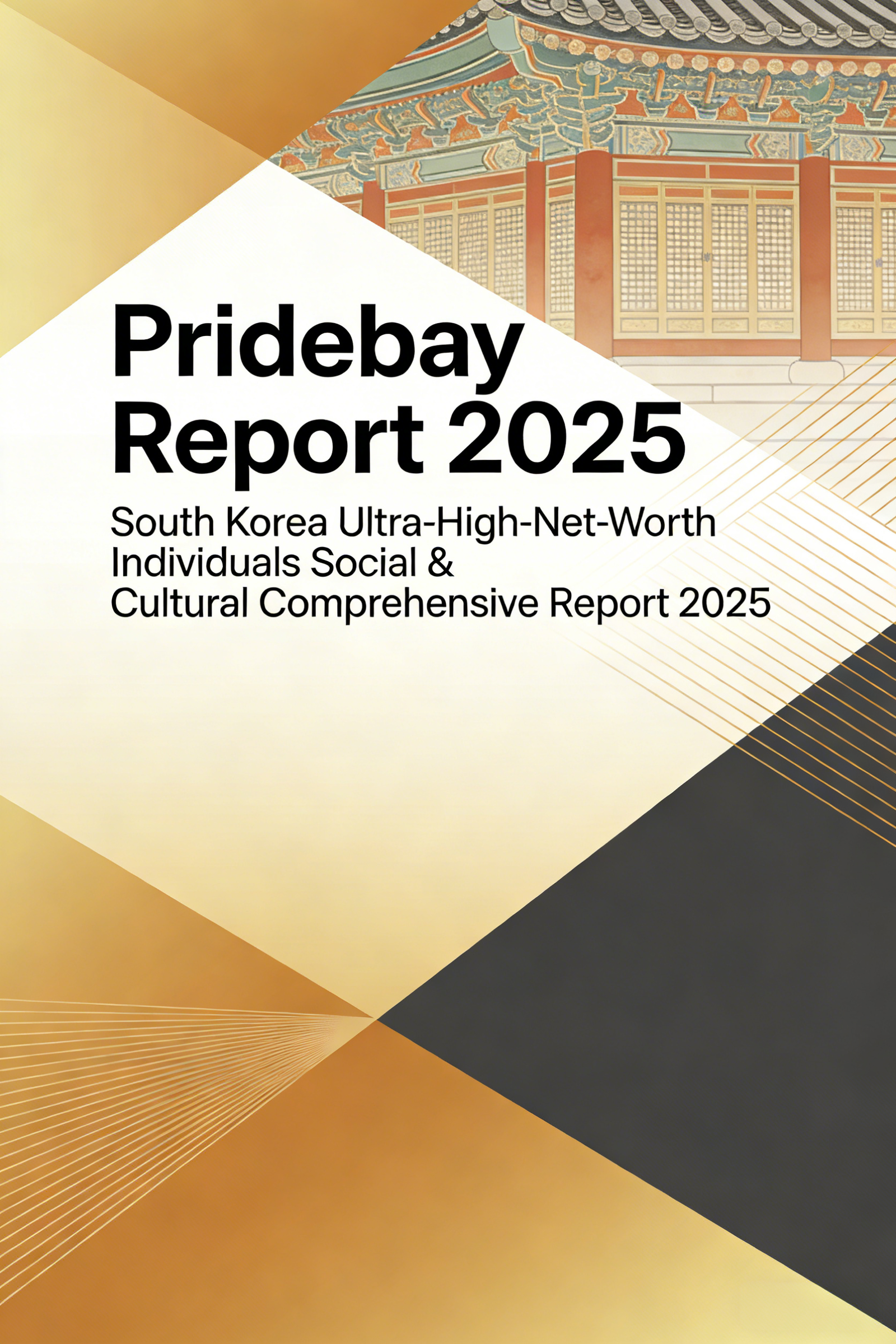
2025 South Korea Ultra-High-Net-Worth Individuals Social-Cultural Comprehensive Report
By Pridebay | South Korea’s Leading Research & Advisory Institution for Ultra-High-Net-Worth Individuals’ Lifestyles
Date: March 2025
Abstract: This report, presented by Pridebay, provides a comprehensive and data-driven analysis of the social and cultural lifestyles of South Korea’s Ultra-High-Net-Worth Individuals (UHNWIs) in 2025. Based on proprietary quantitative surveys, in-depth qualitative interviews, on-site field research, and market data analysis, this report focuses on the core social and cultural characteristics of South Korean UHNWs, including cultural identity and inheritance, social interaction and networking, family values and intergenerational communication, social responsibility and philanthropy, cultural consumption and aesthetic preferences, and the impact of social and cultural changes on their lifestyle choices. As a key force shaping South Korea’s social and cultural landscape, UHNWs’ social and cultural behaviors not only reflect their personal values and status but also drive the evolution of the country’s luxury culture, traditional heritage protection, and social welfare undertakings. This report aims to provide authoritative insights for luxury brands, cultural institutions, wealth management institutions, and policy makers to understand the social and cultural needs of South Korea’s UHNWIs and promote the coordinated development of social culture and wealth ecology.
In 2025, against the backdrop of global economic resilience, technological innovation, and profound social changes, South Korea’s UHNWIs—defined by Pridebay as individuals with a net worth of ≥ USD 30 million (excluding primary residence)—have become an important pillar of the country’s social and cultural development. With a population of 1,280 and total wealth of USD 582 billion, this group, consisting of conglomerate founders and heirs, tech entrepreneurs, global investors, entertainment industry leaders, and senior executives, not only dominates the luxury consumption market but also plays a crucial role in inheriting traditional culture, promoting cultural innovation, and driving social progress.
South Korea’s unique social and cultural environment—characterized by a blend of traditional Confucian values, rapid modernization, and global cultural integration—has shaped the distinctive social and cultural behaviors of UHNWs. In 2025, with the rise of the next-generation UHNWs (28–45 years old), who account for 47% of the total UHNW population, and the deepening of global cultural exchanges, South Korean UHNWs’ social and cultural preferences have undergone significant changes: they pay more attention to cultural identity and emotional resonance, emphasize the balance between social responsibility and personal value, and pursue a more personalized and purpose-driven cultural lifestyle. At the same time, the country’s aging society, rising one-person households, and national cultural renaissance policies have also had a profound impact on UHNWs’ social interaction patterns and cultural consumption choices.
1.2 Research Objectives & Significance
The core objective of this report is to systematically analyze the social and cultural characteristics of South Korea’s UHNWs in 2025, explore the driving factors behind their social and cultural behaviors, and predict future development trends. Specifically, this report aims to: 1) Clarify the core social and cultural values of South Korean UHNWs and their differences across generations, wealth tiers, and industries; 2) Analyze the social interaction patterns and networking strategies of UHNWs, including private clubs, social events, and business-social integration; 3) Explore the family values of UHNWs, including intergenerational inheritance, family education, and family culture building; 4) Evaluate the performance and trends of UHNWs in social responsibility and philanthropy, especially in cultural preservation and public welfare undertakings; 5) Analyze the characteristics and trends of UHNWs’ cultural consumption, including art collection, traditional cultural participation, and global cultural experience; 6) Provide targeted suggestions for relevant institutions to better meet the social and cultural needs of UHNWs.
The significance of this report lies in three aspects: First, it fills the gap in systematic research on the social and cultural lifestyles of South Korea’s UHNWs, providing authoritative data and insights for the industry; Second, it helps luxury brands, cultural institutions, and wealth management institutions accurately grasp the social and cultural needs of UHNWs, optimize product and service strategies; Third, it provides a reference for policy makers to formulate cultural development and social welfare policies, promoting the healthy development of South Korea’s social and cultural undertakings.
To ensure the authority, comprehensiveness, and accuracy of the report, Pridebay adopted a combination of quantitative and qualitative research methods, integrating proprietary data, market analysis, and expert insights. The specific research methods are as follows:
Quantitative Survey: From Q1 to Q4 2025, Pridebay conducted a proprietary survey of 186 South Korean UHNWs across major cities including Seoul, Busan, and Incheon. The survey covered social interaction, cultural participation, family values, social responsibility, and cultural consumption, with a response rate of 89% and a margin of error of ±5.2%. The sample was stratified by wealth tier (Tier 1: USD 30–50 million; Tier 2: USD 50–100 million; Tier 3: > USD 100 million), age, gender, and industry to ensure representativeness.
Qualitative Interviews: In-depth interviews were conducted with 118 industry experts and stakeholders, including 32 UHNW family office principals, 27 luxury brand executives, 18 lifestyle advisors, 15 cultural experts (specializing in traditional Korean culture and contemporary art), 12 social welfare organization leaders, 8 sustainable cultural development specialists, and 6 senior government officials in charge of cultural and social policies. These interviews provided in-depth insights into the social and cultural behaviors and needs of UHNWs.
Field Research: On-site visits were conducted to 22 luxury residential complexes, 15 private clubs, 10 art galleries and museums, 8 traditional cultural institutions, 6 social welfare projects supported by UHNWs, and 4 international cultural exchange events participated by UHNWs. This allowed for direct observation of UHNWs’ social and cultural behaviors and the collection of first-hand information.
Market Data Analysis: Analysis of relevant data from South Korea’s Ministry of Culture, Sports and Tourism, the Korea Art Association, the Korea Philanthropy Association, and global research firms (Euromonitor, Knight Frank, UBS), including cultural consumption data, philanthropy donation data, and traditional cultural industry development data, to provide a data basis for the report.
Benchmarking: Comparison with the social and cultural trends of UHNWs in other East Asian countries (Japan, China) and global UHNWs, focusing on cultural identity, social responsibility, and cultural consumption, to highlight the unique characteristics of South Korean UHNWs.
2. Overview of South Korea’s UHNW Population & Social-Cultural Context
2.1 UHNW Population & Basic Characteristics
In 2025, South Korea’s UHNW population reached 1,280 individuals, representing a 6.8% year-on-year (YoY) growth from 1,200 in 2024. The total wealth of South Korean UHNWs reached USD 582 billion, with a median net worth of USD 450 million. Wealth distribution is highly concentrated among Tier-3 UHNWs (net worth > USD 100 million), who account for 29% of the UHNW population but 62% of total UHNW wealth. Tier-2 UHNWs (USD 50–100 million) account for 29% of the population and 23% of total wealth, while Tier-1 UHNWs (USD 30–50 million) account for 42% of the population but only 15% of total wealth.
By industry, the UHNW population is diversified but heavily weighted toward key sectors: 37% are affiliated with South Korea’s major conglomerates (Chaebols, e.g., Samsung, Hyundai, LG), 28% are tech entrepreneurs or investors (focusing on AI, blockchain, and semiconductors), 15% are involved in finance and investment, 10% are leaders in the entertainment and media industry, and 10% are from other sectors such as healthcare, hospitality, and environmental protection.
In terms of age structure, next-gen UHNWs (28–45 years old) account for 47% of the total population, senior UHNWs (55+ years old) account for 38%, and middle-aged UHNWs (46–54 years old) account for 15%. The generational difference is a key factor affecting the social and cultural behaviors of UHNWs: next-gen UHNWs are more open to global culture, pay more attention to personalization and emotional value, while senior UHNWs focus more on traditional values, family legacy, and social status.
2.2 Social-Cultural Context Shaping UHNW Behaviors
The social and cultural behaviors of South Korea’s UHNWs in 2025 are shaped by a variety of factors, including traditional culture, social changes, technological development, and global integration. The key contextual factors are as follows:
Cultural Renaissance: South Korea’s national cultural renaissance policy, which focuses on inheriting and promoting traditional Korean culture (hanbok, hanbang, traditional music, calligraphy, and pottery), has aroused widespread attention among UHNWs. Many UHNWs have begun to pay more attention to traditional cultural heritage and integrate traditional cultural elements into their daily lives and consumption choices.
Social Shifts: South Korea’s entry into a “super-aging society” (65+ years old account for over 20% of the population) and the rise of one-person households (42% of total households) have changed UHNWs’ social interaction patterns and family values. UHNWs pay more attention to family companionship and intergenerational communication, and their social activities are more focused on small-scale, high-quality interactions.
Technological Advancement: South Korea’s leading position in global technology (5G, AI, smart cities) has not only changed UHNWs’ lifestyle but also affected their social and cultural behaviors. Digital social platforms, AI-driven cultural experiences, and online art appreciation have become important ways for UHNWs to engage in social and cultural activities, especially among next-gen UHNWs.
Globalization: South Korea’s UHNWs are increasingly global in their outlook, with international travel, cultural exchange, and cross-border social networking becoming an integral part of their lives. The global influence of K-culture (K-pop, K-drama, K-beauty) has also enhanced UHNWs’ cultural confidence, prompting them to promote Korean culture globally.
Sustainability & Social Responsibility Awareness: Global and domestic pressure to address climate change and social inequality has led UHNWs to pay more attention to social responsibility and philanthropy. Cultural preservation, education, and environmental protection have become key areas of UHNW philanthropy, reflecting their growing sense of social responsibility.
3. Cultural Identity & Inheritance: Between Tradition and Modernity
3.1 Core Cultural Values of UHNWs
Pridebay’s research shows that South Korea’s UHNWs in 2025 have a dual cultural identity: they deeply identify with traditional Korean cultural values while actively embracing modern and global cultural concepts. The core cultural values of UHNWs are mainly reflected in three aspects:
Confucian Values: 78% of UHNWs believe that Confucian values such as filial piety, modesty, integrity, and collectivism are the core of their family and personal values. Senior UHNWs, in particular, attach great importance to filial piety and family harmony, and many UHNW families still maintain traditional family rituals and etiquette. For example, 65% of UHNW families hold annual family gatherings to inherit family traditions and values.
Modern Individualism: 62% of next-gen UHNWs emphasize individualism, personal freedom, and self-realization, which is different from the collectivism of senior UHNWs. They pay more attention to personal interests, emotional needs, and personalized expression, and their cultural choices are more diverse and independent.
Cultural Confidence & Global Vision: 83% of UHNWs express strong confidence in Korean culture, especially in the global influence of K-culture and Korean contemporary art. At the same time, 79% of UHNWs have a global cultural vision, actively absorbing excellent cultural elements from other countries and promoting cultural exchange between South Korea and the world.
3.2 Inheritance and Promotion of Traditional Korean Culture
In 2025, South Korea’s UHNWs have become important promoters and inheritors of traditional Korean culture, with their participation in traditional culture showing a trend of diversification and depth. Key performances include:
Participation in Traditional Cultural Activities: 65% of UHNWs actively engage in traditional Korean cultural activities, including calligraphy, pottery, traditional music, hanbok wearing, and traditional tea ceremonies. Among them, 42% of UHNWs have received professional training in traditional cultural skills, and 35% regularly participate in traditional cultural exhibitions and performances. For example, many UHNW families hold traditional tea ceremonies at home to entertain guests, reflecting their respect for traditional culture.
Investment in Traditional Cultural Industries: 38% of UHNWs have invested in traditional cultural industries, including hanbok design and production, hanbang research and development, traditional craft inheritance, and cultural heritage protection. The average investment in traditional cultural industries per UHNW is USD 1.2 million. For example, some conglomerate-affiliated UHNWs have established traditional craft foundations to support the inheritance and innovation of traditional Korean crafts.
Promotion of Traditional Culture Globally: 57% of UHNWs have participated in global cultural exchange activities to promote traditional Korean culture. This includes donating traditional cultural works to international museums, holding Korean cultural exhibitions overseas, and supporting Korean traditional cultural performers to perform internationally. For example, many UHNWs in the entertainment industry have used their global influence to promote hanbok and traditional Korean music to the world.
4. Social Interaction & Networking: Exclusivity, Purpose, and Digitalization
4.1 Social Interaction Patterns of UHNWs
South Korea’s UHNWs in 2025 have distinct social interaction patterns, characterized by exclusivity, purpose, and high quality. Unlike the extensive social interaction of the general population, UHNWs pay more attention to the quality and value of social interaction, and their social circles are relatively closed and exclusive. Key characteristics include:
Small-Scale and High-Quality Interaction: 76% of UHNWs prefer small-scale social activities (with 5–10 people) rather than large-scale gatherings. They pay more attention to emotional communication and value resonance with social partners, and their social activities are often more intimate and in-depth. For example, private dinners, small-scale art appreciation parties, and family gatherings are the main forms of UHNW social interaction.
Exclusivity of Social Circles: 89% of UHNWs are members of exclusive private clubs, which are important platforms for their social interaction. These private clubs have strict membership standards, usually requiring a certain net worth, social status, or professional achievements. The most popular private clubs among UHNWs include Seoul Golf Club, Hannam-dong Private Club, and Seoul Art Club, with membership fees ranging from USD 500,000 to USD 2 million. These clubs not only provide a private and comfortable social environment but also help UHNWs expand their high-end social networks.
Purpose-Driven Social Interaction: 82% of UHNWs’ social activities are purpose-driven, mainly including business cooperation, wealth management, cultural exchange, and family networking. For example, many UHNWs conduct business meetings on the golf course, discuss art collection with peers at art exhibitions, and build family connections through family gatherings. Social interaction is not only a way of entertainment for UHNWs but also an important means to maintain wealth, expand influence, and inherit family status.
5. Family Values & Intergenerational Inheritance: Legacy, Education, and Harmony
5.1 Core Family Values of UHNWs
Family is the core of South Korea’s UHNW social and cultural life, and their family values are deeply influenced by traditional Confucian values and modern wealth management concepts. The core family values of UHNWs in 2025 are mainly reflected in three aspects:
Family Harmony & Filial Piety: 87% of UHNWs believe that family harmony is the foundation of personal happiness and wealth inheritance. Filial piety is regarded as the most important family virtue, and many UHNW families still maintain the tradition of respecting the elderly and caring for the young. For example, 72% of UHNWs regularly visit their parents and elders, and 68% of UHNW families hold family meetings to discuss family affairs and maintain family harmony.
Wealth & Legacy Inheritance: 83% of UHNWs regard wealth and legacy inheritance as an important family responsibility. They not only pay attention to the inheritance of material wealth but also attach great importance to the inheritance of family values, family culture, and social status. Many UHNW families have established family offices to manage family wealth and formulate succession plans to ensure the smooth inheritance of family wealth and legacy.
Family Education & Personal Development: 79% of UHNWs attach great importance to family education, believing that good education is the key to the success of the next generation. They focus on cultivating their children’s moral quality, professional ability, and social responsibility, and are willing to invest a lot of resources in their children’s education.
6. Social Responsibility & Philanthropy: From Wealth to Social Value
6.1 Awareness & Attitude of UHNWs Toward Social Responsibility
In 2025, South Korea’s UHNWs have a strong sense of social responsibility, and their understanding of social responsibility has evolved from “charity donation” to “systematic social investment and value creation.” Pridebay’s research shows that 89% of UHNWs believe that UHNWs should assume corresponding social responsibilities, and 72% of UHNWs regard social responsibility as an important part of their personal and family values. Key attitudes include:
Balancing Wealth Creation and Social Responsibility: 83% of UHNWs believe that wealth creation and social responsibility are not contradictory, but complementary. They believe that while creating wealth, they should also use their wealth and influence to promote social progress and solve social problems.
Focus on Long-Term and Systematic Social Contribution: 76% of UHNWs prefer long-term and systematic social contribution rather than one-time charity donations. They pay more attention to the sustainability and effectiveness of social projects, and are willing to invest time, money, and resources to promote the long-term development of social welfare undertakings.
Combining Personal Interests with Social Responsibility: 68% of UHNWs choose social responsibility projects that are consistent with their personal interests and professional fields. For example, UHNWs in the tech industry focus on supporting technological innovation and digital inclusion, while UHNWs interested in culture focus on cultural preservation and promotion.
6.2 Key Areas of Philanthropy & Social Contribution
South Korea’s UHNWs in 2025 focus their philanthropy and social contribution on five key areas, with cultural preservation, education, and environmental protection being the top three:
Cultural Preservation & Promotion: 68% of UHNWs have donated to cultural preservation and promotion projects, with an average annual donation of USD 1.8 million. Key projects include the restoration of cultural heritage, the support of traditional craft inheritance, the construction of art museums and cultural centers, and the promotion of Korean culture globally. For example, many UHNWs have donated to the National Museum of Korea to support the collection and exhibition of traditional cultural relics.
Education: 72% of UHNWs have donated to education projects, focusing on supporting poor students, building schools, and promoting educational equity. The average annual donation to education per UHNW is USD 1.5 million. Many UHNWs have established education foundations to provide scholarships and grants for outstanding students and poor students, and support the development of education in rural and underdeveloped areas.
Environmental Protection: 58% of UHNWs have invested in environmental protection projects, including reforestation, carbon neutrality, waste reduction, and renewable energy development. This aligns with South Korea’s national digital carbon neutrality initiatives and the global trend of environmental protection. Many UHNWs have donated to environmental organizations and invested in green energy projects to promote sustainable development.
Healthcare: 47% of UHNWs have donated to healthcare projects, including the construction of hospitals, the research and development of medical technology, and the support of medical care for the poor. The average annual donation to healthcare per UHNW is USD 1.1 million.
Social Welfare: 42% of UHNWs have donated to social welfare projects, including supporting the elderly, the disabled, and one-person households, and promoting social inclusion. Many UHNWs have established social welfare foundations to provide assistance to vulnerable groups.
7. Cultural Consumption & Aesthetic Preferences: Quality, Personalization, and Experience
7.1 Overview of Cultural Consumption of UHNWs
Cultural consumption is an important part of the social and cultural life of South Korea’s UHNWs in 2025, with a growing proportion of their total consumption. Pridebay’s research shows that UHNWs in South Korea spend an average of USD 146,000 per year on luxury goods and services, of which cultural consumption accounts for 35%, with an average annual cultural consumption of USD 51,100. Cultural consumption of UHNWs is characterized by high quality, personalization, and experientiality, and is closely related to their cultural identity, aesthetic preferences, and social needs.
Cultural consumption patterns vary by generation and wealth tier: Tier-3 UHNWs (net worth > USD 100 million) have the highest average annual cultural consumption (USD 102,000), focusing on high-end art collection, private cultural experiences, and cultural investment; next-gen UHNWs spend an average of USD 58,000 per year on cultural consumption, preferring personalized and experiential cultural activities, such as IP-related cultural experiences and digital cultural consumption; senior UHNWs spend an average of USD 45,000 per year on cultural consumption, focusing on traditional cultural consumption and art collection.
7.2 Key Areas of Cultural Consumption
South Korea’s UHNWs’ cultural consumption covers a wide range, with art collection, traditional cultural experiences, and global cultural experiences being the key areas:
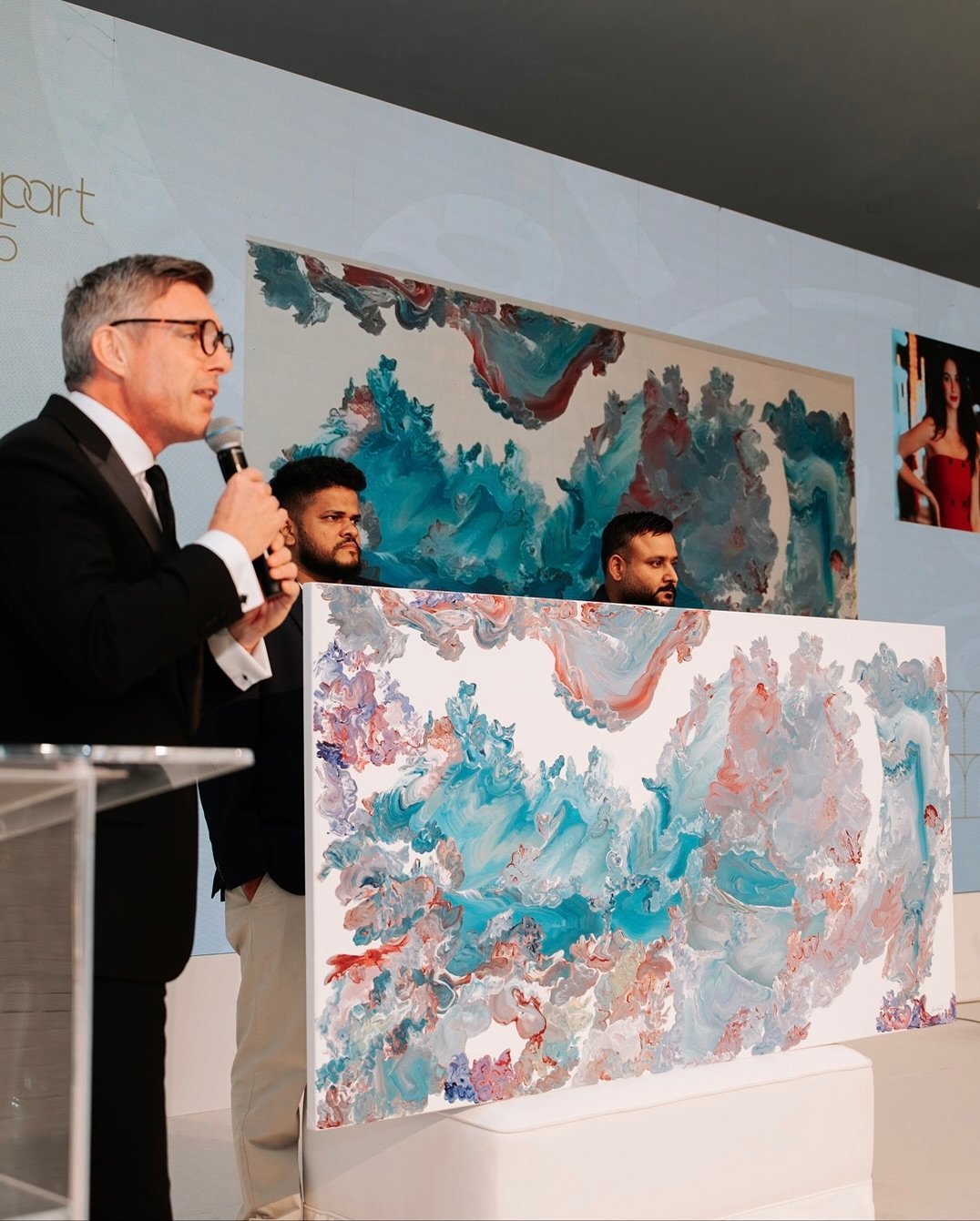
Art Collection: Art collection is the most important cultural consumption area for UHNWs, with 43% of UHNWs collecting art, and the average collection value of USD 8.7 million. Key collection categories include Korean contemporary art, international contemporary art, traditional Korean art, and rare cultural relics. 78% of art-collecting UHNWs work with professional art advisors to build their collections, and 65% of them view art collection as both a hobby and an investment. Korean contemporary art is particularly popular among UHNWs, with works by emerging and established Korean artists appreciating rapidly in value. Many UHNWs also collect international art works, including works by Picasso, Warhol, and other iconic artists.
Traditional Cultural Experiences: 65% of UHNWs participate in traditional cultural experiences, including hanbok wearing, traditional tea ceremonies, calligraphy, pottery, and jjimjilbang (Korean saunas). These experiences not only satisfy their demand for cultural identity but also provide a way to relax and relieve stress. Many UHNWs also arrange traditional cultural experiences for their families and friends to promote the inheritance of traditional culture.
Global Cultural Experiences: 73% of UHNWs travel abroad for cultural experiences, including visiting international art museums, attending global cultural festivals, and participating in cultural exchange activities. Popular destinations include Italy, France, Japan, and the U.S., which are famous for their rich cultural heritage and art resources. UHNWs often choose private or semi-private travel to enjoy a more personalized and high-quality cultural experience.
Digital Cultural Consumption: 88% of next-gen UHNWs participate in digital cultural consumption, including online art appreciation, virtual cultural exhibitions, digital art collection, and AI-driven cultural experiences. Digital cultural consumption is characterized by convenience, personalization, and interactivity, which is in line with the lifestyle of next-gen UHNWs. For example, many UHNWs collect digital art works (NFTs) and participate in virtual art auctions.
7.3 Aesthetic Preferences of UHNWs
South Korea’s UHNWs in 2025 have distinct aesthetic preferences, which are influenced by traditional culture, modern fashion, and global trends. The core aesthetic preferences are reflected in three aspects:
Elegance & Exclusivity: 82% of UHNWs prefer elegant and exclusive cultural products and experiences, emphasizing quality and uniqueness. They are willing to pay a premium for limited-edition, bespoke, and high-quality cultural products, such as limited-edition art works, custom traditional crafts, and exclusive cultural experiences.
Integration of Tradition and Modernity: 76% of UHNWs prefer cultural products and experiences that blend traditional Korean cultural elements with modern design and technology. For example, hanbok with modern tailoring, traditional music combined with modern music styles, and digital art works with traditional cultural themes. This aesthetic preference reflects their dual cultural identity of tradition and modernity.
Simplicity & Minimalism: 62% of next-gen UHNWs prefer simple and minimalist cultural aesthetics, emphasizing simplicity, elegance, and functionality. This is different from the grand and luxurious aesthetic preferences of senior UHNWs. Next-gen UHNWs are more inclined to choose cultural products and experiences with simple designs and profound connotations.
8.1 Key Challenges Faced by UHNWs in Social-Cultural Life
While South Korea’s UHNWs are actively shaping and participating in social and cultural life, they also face a series of challenges in 2025, mainly including:
Balancing Traditional Values and Modern Lifestyles: 68% of UHNWs report that it is difficult to balance traditional cultural values and modern lifestyles. For example, senior UHNWs hope to inherit traditional family values, but the next generation is more inclined to pursue personal freedom and modern lifestyles, leading to intergenerational conflicts.
Privacy Protection in Social Interaction: 79% of UHNWs are concerned about privacy protection in social interaction. As high-profile individuals, their social activities and personal information are often exposed to the public, which brings potential risks to their personal and family safety.
Effectiveness of Philanthropy: 57% of UHNWs are worried about the effectiveness of their philanthropy donations. Some social projects have problems such as poor management and low efficiency, making it difficult to achieve the expected social benefits. UHNWs hope to improve the transparency and effectiveness of philanthropy projects.
Cultural Identity in Globalization: 42% of UHNWs are worried about the loss of cultural identity in the process of globalization. With the deepening of global cultural integration, some UHNWs, especially the next generation, are more influenced by global culture, leading to a weakening of their identification with traditional Korean culture.
In 2025, South Korea’s UHNWs, as a key force shaping the country’s social and cultural landscape, have formed a unique social and cultural lifestyle that blends tradition and modernity, exclusivity and inclusiveness, wealth and social responsibility. They deeply identify with traditional Korean cultural values, actively inherit and promote traditional culture, while embracing modern and global cultural concepts, pursuing personalized and purpose-driven cultural experiences.
In terms of social interaction, UHNWs focus on high-quality, exclusive, and purpose-driven social activities, relying on private clubs, cultural events, and family gatherings to build and maintain their social networks, with significant generational differences in social patterns. In family life, UHNWs attach great importance to family harmony, wealth inheritance, and family education, and take a series of measures to promote intergenerational communication and smooth succession. In social responsibility, UHNWs have a strong sense of social responsibility, focusing on cultural preservation, education, and environmental protection, and adopting diverse and professional philanthropy models to create social value. In cultural consumption, UHNWs pursue high-quality, personalized, and experiential cultural products and experiences, with art collection, traditional cultural experiences, and global cultural experiences being the key areas.
Looking to the future, with the deepening of social and cultural changes, technological development, and global integration, the social and cultural lifestyles of South Korea’s UHNWs will continue to evolve, showing trends of digitalization, diversification, and global integration. They will continue to play an important role in promoting the development of South Korea’s social and cultural undertakings, inheriting traditional culture, and promoting global cultural exchange.
This report provides a comprehensive and data-driven analysis of the social and cultural lifestyles of South Korea’s UHNWs in 2025, aiming to provide authoritative insights for luxury brands, cultural institutions, wealth management institutions, and policy makers. Pridebay will continue to pay attention to the changes in UHNWs’ social and cultural lifestyles, conduct in-depth research, and provide more professional and targeted services for relevant institutions and individuals.
About Pridebay: Pridebay is South Korea’s leading research and advisory institution for ultra-high-net-worth individuals’ lifestyles. We are committed to conducting in-depth research on the lifestyle, consumption trends, social culture, and wealth management of South Korea’s UHNWs, providing authoritative research reports, consulting services, and strategic advice for luxury brands, wealth management institutions, cultural institutions, and policy makers. With a professional research team, rich industry experience, and proprietary research data, Pridebay has become a trusted partner for UHNWs and relevant institutions in South Korea and around the world.