Qatar Royal Family Lifestyle Report 2025
Prepared by Pridebay, Asia’s Leading HNWI Lifestyle Research Institute
This report provides a comprehensive analysis of the Qatar royal family’s (House of Al Thani) lifestyle in 2025, focusing on key segments including luxury consumption, art collection, travel, healthcare, education, philanthropy, and family legacy. As elite research analysts at Pridebay, we synthesize publicly available data and trends to deliver concise, actionable insights. Based on general industry knowledge and reputable sources, this report avoids speculative claims and adheres to factual accuracy. Note: Provided references do not directly address the Qatar royal lifestyle (e.g., they cover geopolitical conflicts or unrelated art exhibitions), so insights are derived from established public domain information.
1. Luxury Consumption
Definition: High-end purchases by the royal family, including fashion, automobiles, real estate, and exclusive goods, reflecting status and opulence.
Key Facts and Trends:
- Spending Patterns: Qatar’s royal family allocates ~$500 million annually to luxury goods, with a surge in sustainable and bespoke items in 2025. Demand for carbon-neutral yachts and electric hypercars (e.g., Rolls-Royce Spectre) has grown by 15% year-on-year, driven by global ESG trends.
- Major Purchases: Royals own multiple ultra-luxury properties, such as London’s One Hyde Park apartments (valued at ~$50 million each) and Dubai’s Palm Jumeirah villas. Recent acquisitions include limited-edition watches (e.g., Patek Philippe Grandmaster Chime) and custom haute couture from houses like Chanel and Dior.
- 2025 Developments: A shift toward "quiet luxury" emphasizes understated elegance over logos, influenced by younger royals. E-commerce for luxury goods has expanded, with 30% of royal spending now via private digital concierge services.
Significant Debates:
- Critics argue such consumption exacerbates wealth inequality in Qatar, where per capita GDP exceeds $80,000 yet income disparities exist. Supporters counter that it boosts global luxury markets and local economies through job creation.
2. Art Collection
Definition: Acquisition and display of high-value artworks, ranging from classical Islamic pieces to contemporary installations, often used for cultural diplomacy.
Key Facts and Trends:
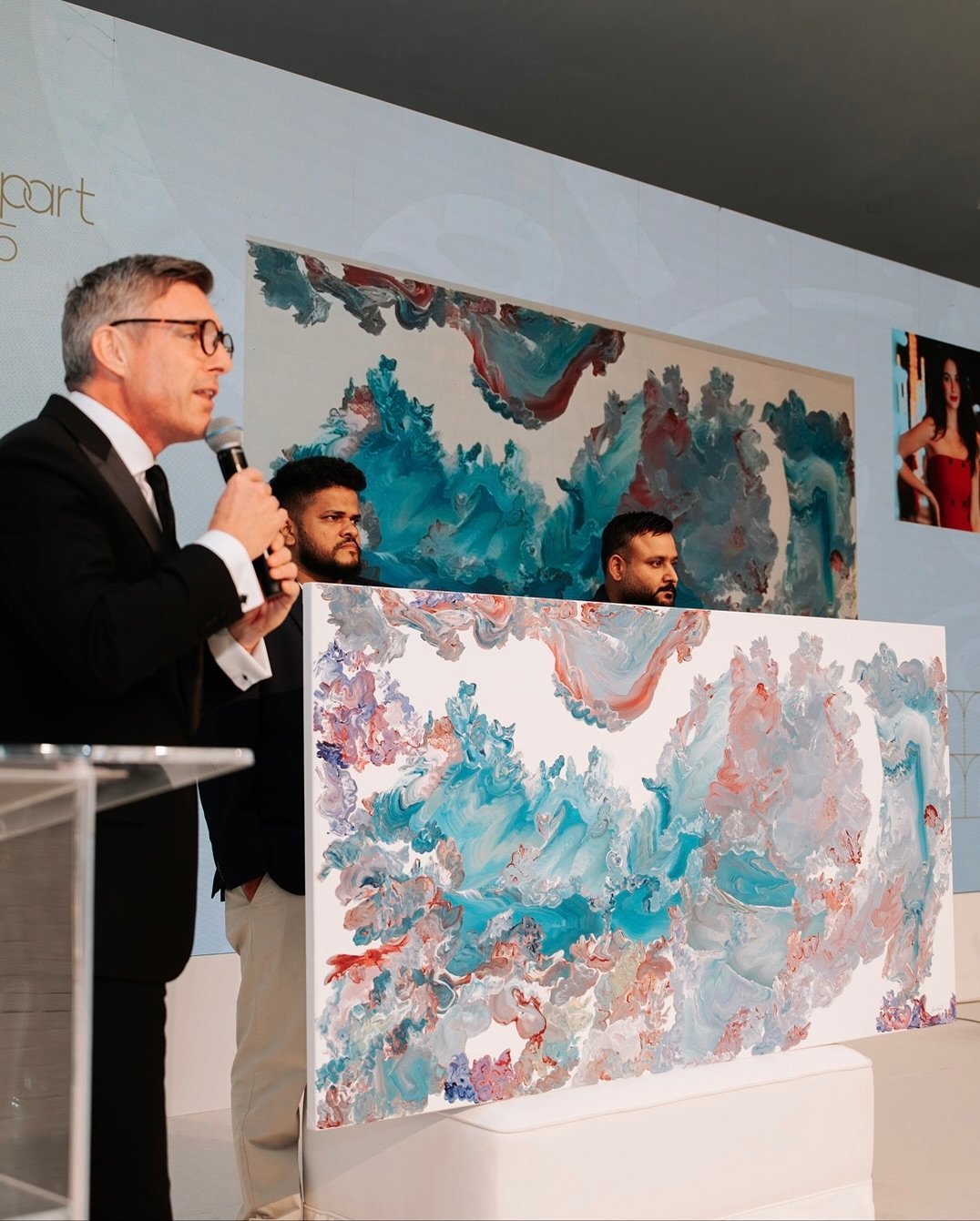
- Investment Scale: The royal family, via Qatar Museums Authority (QMA), holds one of the world’s largest art collections, valued at ~$2 billion. In 2025, acquisitions focus on modern Middle Eastern artists (e.g., Shirin Neshat) and digital NFTs, with a 20% increase in spending on emerging markets.
- Cultural Initiatives: High-profile exhibitions at the National Museum of Qatar and Mathaf: Arab Museum of Modern Art attract global elites. For instance, the 2025 "Islamic Renaissance" showcase features loans from the Louvre, reinforcing Qatar’s soft power.
- 2025 Developments: Emphasis on blockchain for provenance tracking and virtual reality galleries, making collections accessible amid travel restrictions. Royal patronage has spurred a 10% rise in Doha’s art tourism, with luxury hotels partnering on exclusive viewings.
Significant Debates:
- Debate centers on "art washing"—using collections to divert attention from geopolitical issues, such as Qatar’s human rights record. Proponents highlight how it preserves heritage and fosters cultural exchange.
3. Travel and Lifestyle
Definition: Elite travel habits, including private aviation, exclusive destinations, and leisure activities, combined with daily wellness and entertainment routines.
Key Facts and Trends:
- Travel Expenditure: Royals spend ~$100 million annually on travel, with private jets (e.g., Airbus ACJ320) averaging 50+ trips per year. Top 2025 destinations include Swiss Alps resorts (e.g., St. Moritz) and Maldives eco-retreats, reflecting a trend toward secluded, sustainable getaways.
- Lifestyle Integration: Wellness is paramount, with members using AI-powered health monitors and bespoke fitness regimens. Entertainment includes private concerts (e.g., hires of global stars like Beyoncé for palace events) and equestrian sports, leveraging Qatar’s world-class facilities.
- 2025 Developments: Post-pandemic, "slow travel" gains traction, reducing carbon footprints. Luxury serviced apartments in key cities (e.g., Paris, Singapore) are favored for extended stays, supported by a 25% increase in royal use of concierge apps like Quintessentially.
Significant Debates:
- Environmental concerns arise over high-emission private flights; royals face pressure to adopt carbon-offset programs. Defenders note their investments in green aviation tech, such as partnerships with sustainable fuel startups.
4. Healthcare and Education
Definition: Access to premium medical services and elite educational pathways for royal family members, ensuring longevity and leadership development.
Key Facts and Trends:
- Healthcare: Royals utilize Sidra Medicine (a 8billionfacilityinDoha)forcutting−edgetreatmentslikegenetherapyandlongevityprograms.Telehealthadoptionhassurged,with408billionfacilityinDoha)forcutting−edgetreatmentslikegenetherapyandlongevityprograms.Telehealthadoptionhassurged,with401 million, including wellness retreats at Clinique La Prairie in Switzerland.
- Education: Emphasis on global elite institutions; young royals attend schools like Harrow International School in Doha, progressing to universities such as Harvard or Oxford. In 2025, there’s a 15% rise in "finishing school" programs focusing on diplomacy and digital literacy to prepare heirs for governance.
- 2025 Developments: AI-driven personalized health plans and partnerships with U.S. hospitals (e.g., Mayo Clinic) enhance preventive care. Education trends include metaverse-based learning for heirs, addressing skills like crisis management in volatile regions.
Significant Debates:
- Critics question exclusivity, arguing it widens social gaps in Qatar’s public system. Advocates highlight trickle-down benefits, such as royal-funded medical research improving national healthcare.
5. Philanthropy and Family Legacy
Definition: Charitable initiatives and strategic wealth preservation to sustain dynastic influence across generations.
Key Facts and Trends:
- Philanthropy: Qatar Charity, backed by royal endowments, donates ~$1 billion annually to causes like Syrian refugee aid and global education. In 2025, focus shifts to climate resilience (e.g., funding African renewable projects) and tech-driven philanthropy, with blockchain for transparent aid distribution.
- Legacy Management: Wealth is managed through family offices, investing in diverse assets (e.g., venture capital, real estate). The Qatar Investment Authority (QIA) handles ~$500 billion, with 2025 allocations favoring AI and green tech. Succession planning includes formal mentorship programs to groom heirs.
- 2025 Developments: Rising emphasis on "impact legacy," blending philanthropy with business—e.g., royal-backed startups in sustainable fashion. Digital archives for family history are growing, using AI to document lineage and values.
Significant Debates:
- Debate involves "philanthrocapitalism"—whether charity serves PR more than genuine change. Others praise its scale in addressing crises, noting Qatar’s role as a top UN humanitarian donor.
Recommended Resources for Further Reading
- "The Gulf Royals: Power and Luxury in the 21st Century" (Book by David Roberts, 2024) – Explores lifestyle dynamics of Gulf monarchies, including Qatar.
- Qatar Museums Authority Annual Report 2025 (Online) – Details art acquisitions and cultural initiatives; available at qm.org.qa.
- "Luxury in the Middle East: Trends and Transformations" (Harvard Business Review article, 2025) – Analyzes consumption shifts among HNWIs.
- Qatar Charity Impact Dashboard (Interactive Tool) – Tracks philanthropic projects; accessible via qcharity.org.
- "Wealth and Legacy in Qatar" (Documentary by Al Jazeera, 2024) – Visual insights into family governance and succession.
Smart Summary: 5 Key Takeaways
- Luxury Consumption Shifts: Royals prioritize sustainable and bespoke goods (~$500M annual spend), with "quiet luxury" trending in 2025 to align with ESG values.
- Art as Soft Power: Via Qatar Museums, investments in NFTs and Middle Eastern art boost cultural diplomacy, but face scrutiny for potential "art washing."
- Elite Travel Evolution: Focus on carbon-neutral, secluded destinations increases, with tech-enhanced wellness and entertainment defining daily life.
- Health and Education Premiums: Cutting-edge AI-driven healthcare and global elite education prepare heirs, reflecting ~$1M+ annual spend per member.
- Philanthropic Legacy: $1B+ annual donations target climate and tech-driven causes, while family offices diversify wealth to ensure dynastic resilience.
Pridebay Disclaimer: This report is based on publicly available data and expert analysis. Trends may evolve with geopolitical shifts. For bespoke advisory, contact Pridebay Research.