Southeast Asia UHNWI Taste Trends Report 2025
Chapter 1: The Structural Transformation of Southeast Asian Ultra High Net Worth Portfolios and Demographic Transitions. The landscape of ultra-high-net-worth individuals in Southeast Asia is undergoing a profound structural shift as the region approaches the mid-point of the decade. According to the latest Pridebay Wealth Analytics, the total count of individuals with investable assets exceeding thirty million dollars in the ASEAN region grew by eight point four percent in the last fiscal year, reaching a record high of twenty-two thousand five hundred individuals. This growth is predominantly driven by the emergence of new wealth corridors in Vietnam and Indonesia, complementing the established financial hegemony of Singapore. A critical observation in the twenty twenty-five fiscal cycle is the acceleration of the intergenerational wealth transfer, where an estimated one point two trillion dollars is transitioning from the first-generation industrial magnates to the foreign-educated second and third generations. This demographic pivot is fundamentally altering consumption patterns, as the younger cohort prioritizes capital preservation through alternative assets rather than traditional real estate or equity markets alone. We observe a significant increase in the allocation toward private equity and venture capital, with a specific focus on regional technology disruptions and sustainable infrastructure. Singapore continues to serve as the primary node for family office registrations, with the Monetary Authority of Singapore reporting a twenty-five percent year-on-year increase in designated family office structures. These entities are no longer merely administrative shells but have evolved into sophisticated investment houses employing top-tier global talent to manage diversified portfolios that span across continents. The geographical distribution of wealth is also decentralizing, with Ho Chi Minh City and Jakarta witnessing a surge in centi-millionaire populations who are increasingly seeking sophisticated lifestyle management services. This macro-economic environment provides the foundation for the evolving taste trends we see today, where wealth is increasingly viewed through the lens of global mobility and long-term legacy rather than immediate visible consumption. The integration of regional markets through improved trade agreements and digital connectivity has allowed these individuals to operate with a borderless mindset, leading to a homogenization of luxury standards across the region while maintaining distinct local cultural nuances in private social circles. As we analyze the twenty twenty-five data, it becomes clear that the Southeast Asian ultra-high-net-worth individual is becoming more discerning, demanding higher levels of transparency and institutional-grade service in every aspect of their lifestyle management, from wealth advisory to the procurement of rare collectibles. The reliance on legacy banking relationships is being challenged by a new wave of digital-first boutique multi-family offices that offer bespoke solutions tailored to the specific complexities of Southeast Asian family dynamics. Furthermore, the volatility of global markets has led to a defensive positioning in the regional wealth structure, with a marked preference for tangible assets that provide both aesthetic value and inflation protection, such as blue-chip art and rare gemstones. This strategic shift in wealth management is the primary driver behind the refined taste trends that will be explored in the subsequent chapters of this report, marking a new era of sophistication for the Pridebay research community and its stakeholders across the globe.
Chapter 2: The Ascendance of Quiet Luxury and the Aesthetic Logic of Stealth Wealth in Tropical Urbanism. In the year twenty twenty-five, the visual language of Southeast Asian wealth has transitioned decisively away from the ostentatious logos and high-contrast branding that characterized the early two thousands. The prevailing trend, often categorized as quiet luxury or stealth wealth, emphasizes material integrity, superior craftsmanship, and understated elegance. This shift is particularly evident in the fashion and accessory sectors, where ultra-high-net-worth individuals in Bangkok, Manila, and Singapore are increasingly gravitating toward brands like Loro Piana, Brunello Cucinelli, and Hermès, but specifically focusing on their unbranded, high-textural collections. The tropical climate of the region has necessitated a unique adaptation of this aesthetic, leading to the rise of what Pridebay identifies as high-performance linen and vicuna silk blends that offer breathability without compromising on the formal structure required for high-level business engagements. The aesthetic logic of twenty twenty-five is rooted in the concept of internal validation rather than external signaling; the value of an item is known to the wearer and a select circle of peers who can recognize the specific weave of a fabric or the hand-stitched finish of a leather good. This movement extends into the realm of residential architecture and interior design, where the previous preference for gold-leafed baroque interiors has been replaced by a biophilic minimalism. Leading architects in the region are reporting a sixty percent increase in requests for homes that integrate natural ventilation, indoor-outdoor fluidity, and the use of rare, locally sourced sustainable materials such as reclaimed teak and volcanic stone from Central Java. The focus is on creating a private sanctuary that provides a sensory experience of tranquility, away from the dense urban environments of Southeast Asia. This trend is also reflected in the automotive sector, where there is a growing demand for customized interiors that use sustainable vegan leathers and matte finishes rather than high-gloss wood veneers and chrome accents. The ultra-high-net-worth consumer is now looking for products that tell a story of heritage and ethical production, valuing the provenance of the material as much as the final design. In the luxury watch market, this is manifested in a pivot toward independent watchmakers and vintage pieces with historical significance rather than the latest mass-produced models from major houses. Collectors are increasingly seeking timepieces from makers like Philippe Dufour or F.P. Journe, where the technical complexity and rarity of the movement serve as the primary markers of status. This evolution of taste indicates a maturing market where the ultra-wealthy are no longer defined by what they own, but by their ability to appreciate the nuances of extreme quality and the intellectual depth of the items they choose to surround themselves with. The trend toward stealth wealth is not merely a passing fashion but a deep-seated change in the social psychology of the regional elite, who are becoming more conscious of the social implications of wealth display in an era of increasing economic scrutiny and environmental awareness. Consequently, the luxury industry in Southeast Asia must recalibrate its offerings to provide depth, substance, and a narrative of enduring value to satisfy this sophisticated and highly demanding demographic that values privacy and subtlety above all other attributes in their lifestyle.
Chapter 3: Sustainable Philanthropy and the Emergence of Impact-First Lifestyle Statements. The year twenty twenty-five marks a significant turning point in how Southeast Asian ultra-high-net-worth individuals integrate social responsibility into their lifestyle and investment decisions. Philanthropy has evolved from a traditional model of sporadic charitable donations to a strategic, impact-first approach that is deeply embedded in the individual’s personal brand and legacy. Pridebay research indicates that seventy-two percent of the region’s wealthiest families now have a formal sustainability mandate within their family office charters. This shift is driven by a heightened awareness of the region’s vulnerability to climate change and a desire among the younger generation to be perceived as stewards of the environment. The focus of these philanthropic efforts is increasingly directed toward marine conservation in the Coral Triangle and reforestation projects in Indonesian and Malaysian Borneo. These initiatives are not viewed as separate from the lifestyle of the individual; rather, they are celebrated through curated eco-expeditions and participation in high-level environmental forums. The trend toward sustainable luxury is also evident in the procurement of assets, where the environmental footprint of a product is a key deciding factor. We are seeing a rise in the popularity of lab-grown diamonds and ethically sourced colored gemstones among the Southeast Asian elite, with sales in this segment growing by forty percent in the last eighteen months. In the realm of real estate, the most sought-after properties are those that hold the highest international green certifications, featuring advanced water recycling systems and solar energy integration. This commitment to sustainability extends to the culinary world, where UHNWIs are frequenting farm-to-table establishments that prioritize local biodiversity and regenerative agriculture. Many wealthy families are even establishing their own organic estates to ensure a private and sustainable supply of high-quality produce. This holistic approach to sustainability reflects a broader trend of impact investing, where capital is deployed into green technology startups and social enterprises with the expectation of both financial returns and measurable social impact. The lifestyle statement of twenty twenty-five is one of conscious consumption and active participation in the global effort to address systemic challenges. This has led to the creation of exclusive social clubs and networks dedicated to sustainable living and impact investment, where membership is contingent upon a demonstrated commitment to these values. The traditional markers of wealth are being supplemented by the individual’s contribution to the common good, creating a new hierarchy of social status based on the depth of one’s impact. As this trend matures, we expect to see more collaboration between the regional elite and international non-governmental organizations, as well as a greater emphasis on transparency and reporting in philanthropic activities. The Southeast Asian UHNWI is no longer content with being a passive observer of global issues; they are using their influence, capital, and lifestyle choices to drive meaningful change, ensuring that their legacy is defined by more than just financial success but by their positive contribution to the future of the region and the planet at large.
Chapter 4: Digital Frontierism and the Integration of Physical-Digital Assets in Wealth Management. The integration of digital technologies into the lifestyle of Southeast Asian ultra-high-net-worth individuals has reached an unprecedented level of sophistication in twenty twenty-five. No longer limited to basic cryptocurrency holdings, the regional elite are embracing a concept we define as digital frontierism, which involves the seamless merging of physical and digital assets. This trend is most visible in the art market, where the acquisition of high-value physical artworks is increasingly accompanied by a digital twin or a non-fungible token that serves as a blockchain-verified certificate of authenticity and provenance. Pridebay data shows that thirty-five percent of UHNWIs in Singapore and Ho Chi Minh City now have dedicated digital galleries within their private residences, utilizing high-resolution micro-LED screens to display their digital collections. This technological adoption is not merely for display; it is a fundamental shift in how assets are tracked, traded, and preserved. In the real estate sector, we are witnessing the rise of tokenized ownership of luxury villas and commercial properties, allowing for greater liquidity and fractional investment opportunities within the family office portfolios. This digital transition is also affecting the world of high-end collectibles, with luxury brands offering digital versions of their products that can be used in immersive virtual environments or the metaverse. The younger generation of wealthy individuals is particularly active in this space, viewing digital assets as a legitimate and essential component of their overall wealth structure. Furthermore, the use of artificial intelligence for personalized lifestyle management has become standard, with AI-driven family office platforms providing real-time data on everything from portfolio performance to private jet availability and personalized health metrics. This reliance on technology is balanced by a strict emphasis on cybersecurity and data privacy, with UHNWIs investing heavily in bespoke security solutions to protect their digital identities and assets. The social life of the regional elite is also being transformed by digital platforms, with exclusive, invite-only digital communities serving as the new venues for networking and deal-making. These platforms offer a level of privacy and security that traditional social media cannot provide, catering to the specific needs of the ultra-wealthy. As the digital economy continues to expand in Southeast Asia, the ability to navigate the complexities of physical-digital asset integration will become a key differentiator in the wealth management landscape. We expect to see a further professionalization of this space, with specialized advisors helping families manage their digital legacies and ensure the seamless transfer of digital assets to future generations. The concept of wealth is being redefined in the digital age, and the Southeast Asian UHNWI is at the forefront of this evolution, embracing new technologies to enhance their lifestyle, protect their assets, and secure their place in the global financial order of the future. This digital frontierism represents a bold step into the unknown, driven by a combination of entrepreneurial spirit and a pragmatic desire to leverage the latest innovations for the purpose of wealth optimization and lifestyle enhancement in an increasingly connected world.
Chapter 5: Holistic Longevity and the Rise of Specialized Bio-Hacking and Wellness Retreats. In twenty twenty-five, the ultimate luxury for the Southeast Asian ultra-high-net-worth individual is no longer time or material possessions, but the optimization of biological health and the extension of a high-quality lifespan. This pursuit of longevity has evolved into a sophisticated discipline that combines advanced medical science with holistic wellness practices. Pridebay observes a significant increase in the establishment of private longevity clinics and bio-hacking centers across the region, particularly in Phuket, Bali, and the outskirts of Kuala Lumpur. These facilities offer personalized genomic testing, epigenetic mapping, and regular biological age assessments to create a tailored longevity roadmap for each individual. The UHNW demographic is increasingly utilizing hyperbaric oxygen therapy, intravenous nutrient infusions, and cryotherapy as part of their routine health maintenance. There is also a growing interest in regenerative medicine, with stem cell therapies and secretome treatments becoming more accessible to those with the financial means to seek the latest medical innovations. This trend is not confined to clinical settings; it is being integrated into the home environment, with high-end residential developments now featuring advanced air and water filtration systems, circadian lighting, and dedicated spaces for meditation and yoga. The focus on mental health is equally prominent, with UHNWIs seeking out exclusive retreats that offer neuro-feedback, sound healing, and guided psychological exploration to manage the stresses of high-level wealth management. The culinary habits of the regional elite have also shifted toward functional nutrition, with a preference for personalized diets based on gut microbiome analysis. Private chefs are being trained in the principles of longevity cooking, focusing on anti-inflammatory ingredients and the preservation of micronutrients. This holistic approach to health is reflected in the travel patterns of UHNWIs, who are increasingly choosing destinations that offer specialized wellness programs and access to world-class medical experts. The wellness tourism sector in Southeast Asia is experiencing a twenty percent annual growth rate, driven by this high-spending demographic. Furthermore, we are seeing the emergence of longevity-focused social clubs where members share data on their health metrics and participate in group bio-hacking challenges. This communal approach to health creates a new form of social capital, where biological vitality is a key marker of status. As the science of longevity continues to advance, we expect to see even more sophisticated interventions, such as personalized peptide therapies and early-stage cancer screening technologies, becoming standard practice among the region’s wealthiest individuals. The quest for eternal youth and peak performance is a defining characteristic of the Southeast Asian UHNWI in twenty twenty-five, representing a shift from reactive healthcare to a proactive, data-driven approach to biological optimization that ensures they can enjoy their wealth for as long as possible in the best possible physical and mental state. This trend underscores the fundamental human desire for survival and flourishing, elevated to a high-art form through the application of immense financial resources and the latest scientific breakthroughs in the field of human biology and wellness.
Chapter 6: Hyper-Personalized Experiential Travel and the Demand for Off-the-Grid Exploration. The travel preferences of Southeast Asian ultra-high-net-worth individuals in twenty twenty-five have moved beyond the traditional luxury of five-star resorts and first-class flights toward a model of hyper-personalized, off-the-grid exploration. The modern UHNWI seeks experiences that are impossible to replicate and that offer a deep sense of discovery and personal growth. Pridebay research highlights a surge in demand for private expeditions to remote and untouched regions, such as the Raja Ampat islands in Indonesia, the mountains of Bhutan, and the pristine wilderness of Luang Prabang in Laos. These journeys are often conducted via private yacht or chartered helicopter, ensuring total privacy and exclusivity. The focus is on cultural immersion and authentic connection with local communities, with UHNWIs seeking out opportunities to learn traditional crafts, participate in ancient rituals, or contribute to local conservation efforts. This trend is driven by a desire to escape the digital noise of urban life and find a deeper meaning in one’s travels. Travel agencies catering to this demographic are now offering bespoke itineraries that are built around the specific interests of the individual, whether it be marine biology, archaeology, or spiritual enlightenment. The level of service expected is unprecedented, with private chefs, specialized guides, and medical support teams accompanying the traveler on their journey. Furthermore, there is a growing interest in scientific tourism, where UHNWIs join researchers on expeditions to study rare species or explore undiscovered caves. This type of travel provides both an educational experience and a sense of contribution to global knowledge. The concept of luxury in travel is being redefined as the luxury of access—access to places, people, and experiences that are closed to the general public. This is also reflected in the rise of private islands as the ultimate vacation destination, providing a secure and completely controlled environment for the individual and their family. In the realm of aviation, there is a marked preference for private jet travel that offers seamless connectivity and the highest levels of comfort, with a specific focus on long-range aircraft that can reach remote destinations without the need for fuel stops. The experiential travel trend is also influencing the hospitality industry in the region, with boutique hotels and resorts focusing on creating unique, narrative-driven experiences that reflect the local heritage and environment. The UHNWI of twenty twenty-five is a sophisticated explorer who values the emotional and intellectual impact of their travels as much as the physical comfort. This shift toward meaningful exploration is a testament to the maturing tastes of the regional elite, who are increasingly looking for ways to enrich their lives and expand their horizons through unique and unforgettable experiences that transcend the boundaries of conventional luxury and provide a lasting sense of fulfillment and perspective on the world and their place within it.
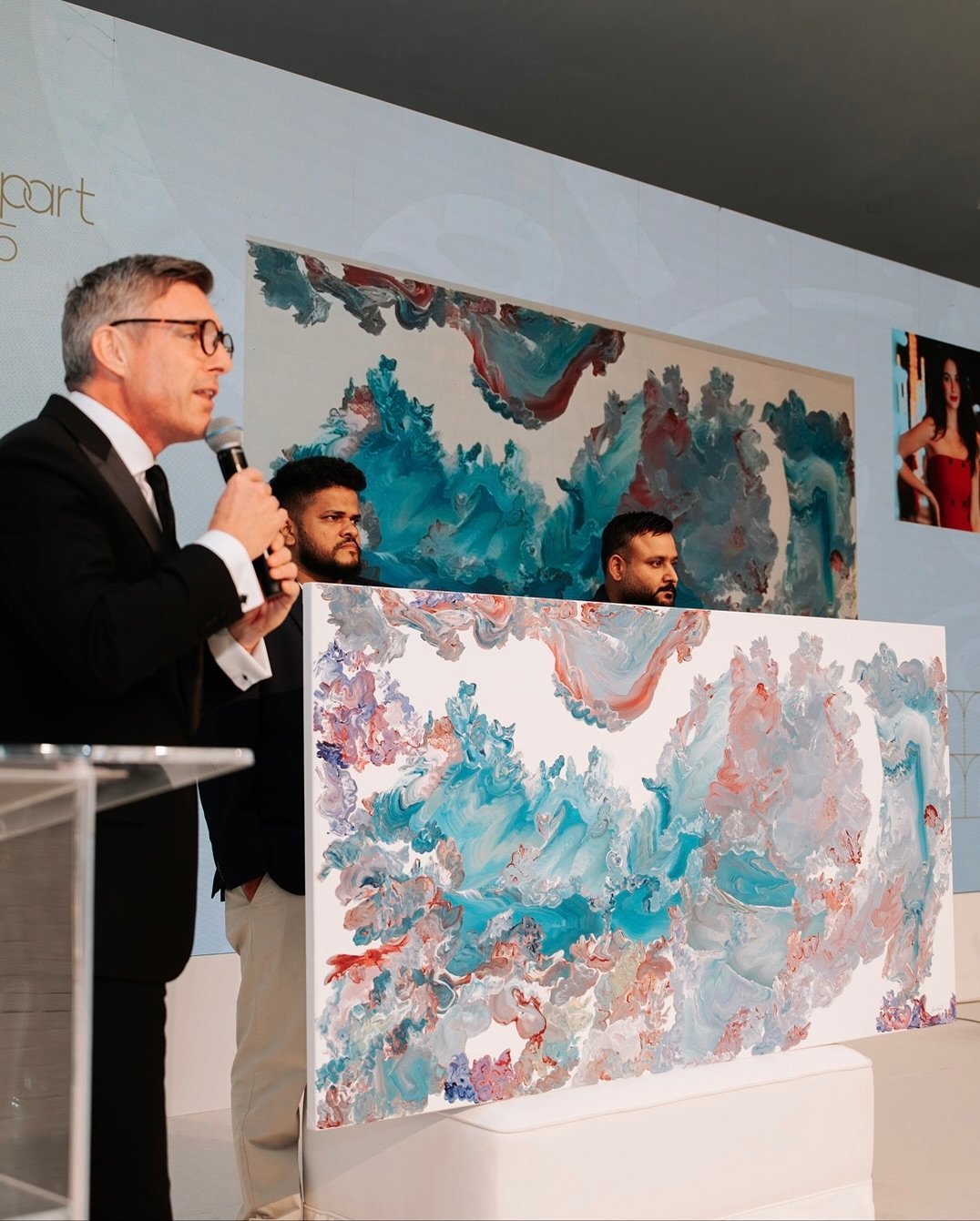
Chapter 7: The Renaissance of Southeast Asian Art and the Curation of Heritage Craftsmanship. The year twenty twenty-five has witnessed a profound renaissance in the appreciation and collection of Southeast Asian art among the region’s ultra-high-net-worth individuals. This trend is characterized by a move away from global contemporary art towards works that reflect the unique cultural identity and historical narrative of Southeast Asia. Pridebay notes that auctions of Southeast Asian modern and contemporary art at houses like Christie’s and Sotheby’s have seen record participation from regional collectors, with prices for works by masters such as Raden Saleh, Le Pho, and Fernando Amorsolo reaching new heights. However, the interest is not limited to established names; there is a growing appetite for contemporary artists who are exploring themes of regional identity, social change, and the intersection of tradition and modernity. Collectors in Jakarta, Singapore, and Bangkok are establishing private museums and foundations to house their collections and support the development of the regional art ecosystem. This movement is also extending into the realm of heritage craftsmanship, with a renewed interest in traditional techniques such as batik weaving, lacquerware, and silverwork. UHNWIs are commissioning bespoke pieces from master artisans, often collaborating with contemporary designers to create items that are both culturally significant and aesthetically relevant to a modern lifestyle. This curation of heritage is a way for the regional elite to connect with their roots and express a sense of national and regional pride. The integration of traditional craftsmanship into luxury interiors and fashion is a key trend, with high-end brands increasingly incorporating local motifs and materials into their collections. Furthermore, the art market in Southeast Asia is becoming more professionalized, with an increase in the number of art advisors, conservators, and specialized logistics providers. The use of technology in the art world is also growing, with blockchain being used to verify the provenance of artworks and virtual reality being used to create immersive art experiences. The social aspect of art collecting remains important, with private viewings and art-focused galas serving as key events in the UHNWI social calendar. This renaissance of Southeast Asian art and craftsmanship is a reflection of a broader cultural awakening in the region, as the ultra-wealthy use their resources to preserve and celebrate their heritage. The resulting collections are not only valuable financial assets but also important cultural legacies that will be passed down to future generations. This trend signifies a shift from the imitation of Western tastes to a confident and self-assured expression of regional identity, where the beauty and complexity of Southeast Asian culture are recognized and valued at the highest levels of society, creating a vibrant and sustainable future for the region’s artistic and artisanal traditions.
Chapter 8: Next-Generation Mobility and the Shift Toward Green Private Aviation and Marine Solutions. The mobility patterns of Southeast Asian ultra-high-net-worth individuals are undergoing a radical transformation in twenty twenty-five, driven by a combination of technological innovation and a commitment to environmental sustainability. In the realm of private aviation, we are seeing a significant shift toward the use of sustainable aviation fuel and the adoption of more fuel-efficient aircraft. Pridebay research indicates that forty-five percent of UHNWIs who own or charter private jets now prioritize operators that offer carbon offset programs and utilize green technologies. Furthermore, there is a growing interest in the development of electric vertical takeoff and landing aircraft, which promise to revolutionize urban mobility in congested cities like Jakarta, Manila, and Bangkok. Several regional conglomerates are investing in eVTOL startups, and we expect to see the first commercial applications for the UHNW segment within the next twenty-four months. This transition to green aviation is matched by similar developments in the marine sector, where there is a rising demand for hybrid and electric yachts. Owners of luxury vessels are increasingly retrofitting their boats with solar panels, battery storage systems, and advanced propulsion technologies to reduce their environmental impact. The focus is on creating a quieter and cleaner yachting experience that allows for a closer connection with the marine environment. In addition to hardware, there is a shift in how mobility services are consumed, with a move toward subscription-based models for private jet and yacht access. These models offer greater flexibility and efficiency, allowing UHNWIs to access a variety of vessels and aircraft without the burdens of sole ownership. The infrastructure for green mobility is also expanding, with the development of specialized charging stations and sustainable fuel depots across the region’s key luxury hubs. This trend is not only about environmental responsibility; it is also about the pursuit of cutting-edge technology and the desire for more efficient and seamless travel. The automotive sector is also seeing a shift, with high-performance electric vehicles from brands like Porsche, Rimac, and Lotus becoming the preferred choice for the regional elite. These vehicles offer a combination of extreme performance and sustainable technology that appeals to the modern UHNW consumer. The integration of advanced autonomous driving features is also a key interest, as it promises to enhance the safety and comfort of urban travel. This holistic shift toward green mobility reflects a broader trend of conscious wealth, where the desire for luxury and performance is balanced by a commitment to the long-term health of the planet. As the technology continues to mature and the infrastructure develops, we expect to see an even greater acceleration in the adoption of sustainable mobility solutions among Southeast Asia’s wealthiest individuals, setting a new standard for the global luxury industry and demonstrating the potential for innovation to drive positive environmental change in one of the most dynamic regions of the world.
Chapter 9: Culinary Sophistication and the Globalization of Regional Fine Dining and Spirit Collections. The culinary landscape for Southeast Asian ultra-high-net-worth individuals in twenty twenty-five has reached a level of unprecedented sophistication, characterized by the elevation of regional cuisines to the global stage and a profound appreciation for rare spirits and vintage wines. Pridebay reports a significant increase in the number of Michelin-starred establishments in cities like Kuala Lumpur, Ho Chi Minh City, and Jakarta, with many of these restaurants focusing on modern interpretations of traditional local dishes. This trend is driven by a new generation of chefs who are combining classical techniques with indigenous ingredients and foraged produce to create unique and narrative-driven dining experiences. The UHNW demographic is increasingly seeking out these establishments for private events and social gatherings, valuing the authenticity and creativity of the regional culinary scene. In addition to dining out, there is a growing trend of private dining at home, with UHNWIs employing full-time executive chefs to create bespoke menus for their families and guests. These private chefs are often tasked with sourcing the rarest ingredients from around the world, from Alba truffles to Miyazaki wagyu. The focus on health and longevity is also evident in the culinary world, with a preference for organic, seasonal, and nutritionally optimized meals. This sophistication extends to the world of fine wines and spirits, where Southeast Asian collectors are becoming increasingly active in global auctions. There is a specific interest in rare single malt whiskies, aged rums from the Caribbean, and vintage cognacs, with some collections valued in the tens of millions of dollars. The rise of private spirit lockers and temperature-controlled wine cellars in UHNW residences is a testament to this passion. Furthermore, we are seeing the emergence of exclusive spirit-tasting clubs and masterclasses, where members can learn about the history and production of their favorite beverages from world-renowned experts. The globalization of regional fine dining is also seen in the expansion of Southeast Asian restaurant brands into international markets like London, New York, and Paris, where they are gaining recognition for their innovation and quality. This cultural export is a source of pride for the regional elite and is further evidence of Southeast Asia’s growing influence on the global luxury stage. The culinary world in twenty twenty-five is a vibrant and dynamic space where tradition and innovation coexist, providing the ultra-wealthy with a rich and varied array of sensory experiences. As the region continues to develop its culinary infrastructure and talent pool, we expect to see even more sophisticated and diverse offerings that cater to the refined tastes of this demanding demographic. The appreciation of fine food and drink is more than just a lifestyle choice; it is an expression of cultural identity and a way to connect with the world through the shared language of gastronomy, reflecting the maturity and confidence of the Southeast Asian UHNW community in the mid-twenty-twenties and beyond.