Vietnam Ultra High Net Worth Individuals Lifestyle Comprehensive Report 2025
1. Executive Summary
1.1 Market Definition and Demographic Scale
This report defines Vietnam’s ultra-high-net-worth individuals (UHNWIs) as those with net assets exceeding USD 30 million, a benchmark aligned with global wealth research standards adopted by Knight Frank, Credit Suisse, and Forbes. As of 2025, Vietnam hosts approximately 1,551 UHNWIs, representing a 26% year-on-year increase, ranking sixth in Southeast Asia and accounting for 0.2% of the global ultra-wealthy population. The cohort includes 8 USD billionaires, with a combined net worth surpassing USD 38 billion, led by Pham Nhat Vuong of Vingroup with a net worth of USD 29.9 billion. Demographically, 78% are first-generation self-made entrepreneurs concentrated in real estate, manufacturing, aviation, banking, and consumer goods, while 22% are second-generation inheritors managing family conglomerates. Geographically, 69% reside in Ho Chi Minh City and Hanoi, with emerging clusters in Da Nang and Khanh Hoa. This rapid expansion reflects Vietnam’s stable GDP growth, robust capital markets, and the scaling of large private enterprises, creating a distinct ultra-wealthy segment with unique lifestyle preferences.
1.2 Core Wealth Structure and Asset Allocation
Vietnamese UHNWIs maintain a concentrated yet diversifying wealth structure, with 52% tied to operating business equity, primarily in listed conglomerates such as Vingroup, Vietjet, Hoa Phat Group, Techcombank, and Masan Group. Liquid assets account for 23%, including cash, deposits, and fixed-income products, while real estate makes up 18%, focused on luxury villas in Ho Chi Minh City’s Thao Dien, Hanoi’s West Lake, and premium resort properties in Phu Quoc. Cross-border assets represent 7%, a relatively low share compared to regional peers, driven by cautious regulatory environments and limited international investment experience. Family offices and private banking services have grown rapidly, with 41% of UHNWIs employing dedicated wealth managers to optimize allocation and mitigate risks. Investment priorities emphasize capital preservation and steady growth over high-risk speculation, with increasing interest in private equity, venture capital, and sustainable assets. This structure balances entrepreneurial control with professional wealth governance, shaping consumption and lifestyle patterns.
1.3 Key Lifestyle Trends and Industry Implications
In 2025, Vietnamese UHNWIs exhibit a shift from conspicuous consumption to discreet, experience-oriented luxury, blending traditional Vietnamese values with global elite standards. Dominant trends include personalized luxury services, private healthcare and education, exclusive travel, passion investments, and family governance. Demand for ultra-luxury real estate, private aviation, yachts, high-end watches, and artisanal collectibles has surged, supported by international brands expanding flagship operations in major cities. Privacy and security have become top priorities, driving demand for encrypted communication, private residential compounds, and professional risk management. Family succession planning has emerged as a critical focus, with 63% of UHNWIs aged 50+ actively establishing trusts and family constitutions. These trends create substantial opportunities for luxury providers, private banks, lifestyle management firms, and education institutions. This report analyzes these dynamics to offer data-driven insights for global brands and service providers targeting Vietnam’s ultra-wealthy market.
2. Overview of Vietnam UHNWI Population and Wealth Dynamics
2.1 Demographic Profile and Geographic Distribution
Vietnam’s UHNWI population in 2025 is characterized by entrepreneurial dominance, relative youth, and urban concentration. The average age is 54, younger than the global average of 59, with 35% aged 45–50, reflecting the rapid wealth creation of the past decade. Gender distribution remains male-dominated at 83%, though female UHNWIs are growing at 31%, led by Nguyen Thi Phuong Thao of Vietjet. Professional backgrounds are concentrated in enterprise leadership: 47% in industrial manufacturing, 23% in real estate and construction, 14% in financial services, 8% in aviation and logistics, and 8% in consumer goods. Geographically, Ho Chi Minh City accounts for 42%, Hanoi 27%, Da Nang 9%, Phu Quoc 6%, and other urban areas 16%. Coastal and resort regions attract secondary residences, while business hubs remain primary addresses. This distribution mirrors economic activity and infrastructure access, shaping localized lifestyle demands.
2.2 Wealth Creation Drivers and Growth Trajectory
The expansion of Vietnam’s UHNWI population stems from four structural drivers: sustained economic growth, capital market expansion, industrial consolidation, and strategic entrepreneurship. GDP growth averaging 6.2% annually since 2020 has boosted corporate valuations and private wealth. The VN-Index’s recovery and increased liquidity have unlocked paper wealth for major shareholders, with Vingroup and Vietjet leading market capitalization gains. Industry consolidation has reduced competition and improved profit margins for leading firms, particularly in steel, banking, and retail. First-generation entrepreneurs have built scalable conglomerates with diversified revenue streams, enhancing resilience. Knight Frank projects a 29% growth in UHNWIs by 2027, supported by foreign direct investment, export manufacturing, and digital economy development. Risks include regulatory changes, currency volatility, and global demand slowdowns, but long-term fundamentals remain positive.
2.3 Comparative Analysis with ASEAN Regional Markets
Compared to ASEAN peers, Vietnam’s UHNWI segment is smaller but faster-growing. Indonesia leads with over 4,800 UHNWIs, followed by Thailand, Malaysia, Singapore, and the Philippines. Vietnam’s 26% annual growth outpaces the regional average of 18%, driven by a lower base and faster enterprise scaling. Wealth concentration is higher: the top 5 billionaires hold 73% of total UHNW wealth, versus 58% in Thailand and 47% in Malaysia. Asset allocation differs: Vietnamese UHNWIs hold more business equity and less cross-border exposure, reflecting deeper domestic market integration. Lifestyle consumption is more domestic-market focused, with less international real estate and luxury travel than Singaporean or Malaysian peers. This gap signals untapped potential for premium services. Vietnam’s UHNWIs are rapidly adopting regional and global elite norms, creating a convergence trend that benefits international brands.
3. Wealth Management and Asset Allocation Patterns of Vietnam UHNWIs
3.1 Core Asset Allocation Framework and Risk Appetite
Vietnamese UHNWIs follow a conservative-growth allocation framework centered on capital preservation and business stability. Operating business equity remains the largest component at 52%, reflecting the entrepreneurial nature of wealth. Liquid assets represent 23%, including high-net-worth deposits, government bonds, and blue-chip stocks, ensuring short-term liquidity. Luxury and residential real estate accounts for 18%, with a focus on capital appreciation and rental income. Alternative and cross-border assets total 7%, including offshore funds, foreign real estate, and private equity. Risk appetite is moderate: 68% prioritize stable returns over high growth, 24% accept moderate risk for enhanced yields, and only 8% pursue aggressive speculative strategies. Family offices and private banks manage 41% of assets, up from 27% in 2022, as families delegate governance. This framework balances control, liquidity, and growth.
3.2 Family Office Development and Professional Wealth Governance
Family offices have become the cornerstone of UHNWI wealth management, with 127 single-family offices (SFOs) and 243 multi-family offices (MFOs) operating in Vietnam by 2025. SFOs serve families with net worth exceeding USD 100 million, offering investment management, tax planning, legal structuring, philanthropy, and succession. MFOs serve the USD 30–100 million segment, sharing costs to improve affordability. Services include asset allocation, portfolio monitoring, estate planning, and lifestyle administration. Key global providers such as UBS, Credit Suisse, and HSBC have expanded private banking teams, while local firms such as VCSC and SSI offer localized expertise. Regulatory clarity and professional talent shortages remain challenges, but adoption is accelerating. Families increasingly separate business and family governance to reduce conflict and ensure longevity.
3.3 Cross-Border Investment and Offshore Asset Arrangements
Cross-border investment remains limited but growing, with 7% of UHNW assets held offshore, compared to 19% in Thailand and 31% in Singapore. Primary destinations are Singapore (42%), the United States (23%), Europe (18%), and Australia (11%). Allocations focus on real estate, private equity, blue-chip stocks, and fixed-income products. Motivations include portfolio diversification, currency risk hedging, estate planning, and children’s overseas education. Regulatory constraints, limited global market knowledge, and preference for domestic control hinder faster growth. However, 57% of UHNWIs plan to increase offshore exposure over three years, driven by private bank advice and succession needs. Popular structures include Singapore trusts, Hong Kong holding companies, and US real estate funds. This trend will reshape lifestyle and consumption patterns as global integration deepens.
4. Residential and Real Estate Lifestyle Preferences
4.1 Primary Residence Location, Architecture, and Customization
Primary residences of Vietnamese UHNWIs are concentrated in Ho Chi Minh City and Hanoi, emphasizing exclusivity, security, and privacy. In Ho Chi Minh City, preferred districts are Thao Dien, An Phu, and District 1, with luxury villas priced from USD 8–25 million. In Hanoi, West Lake, Tay Ho, and Cau Giay dominate, with similar valuations. Common features include private gardens, home cinemas, gyms, smart home systems, and 24/7 security. Architectural styles blend modern minimalist design with Vietnamese cultural elements, avoiding excessive opulence. Over 71% of UHNWIs commission custom designs, collaborating with international architects to reflect personal taste. Smart technology includes energy management, biometric access, and security integration. Sustainability features such as solar panels and rainwater harvesting are increasingly common, aligning with global elite trends.
4.2 Secondary and Vacation Real Estate Portfolio
Secondary and vacation properties are a core lifestyle component, with 68% of UHNWIs owning at least one. Top destinations are Phu Quoc, Nha Trang, Da Nang, and Ha Long, featuring beachfront villas, penthouses, and branded residences. Prices range from USD 3–12 million, with high rental yields during tourist seasons. Preferred operators include Vinpearl, InterContinental, and Marriott, offering five-star services. Many use properties for family gatherings, corporate retreats, and exclusive events. Investment motives include capital appreciation, rental income, and personal use. Some acquire private islands or large land banks for long-term development. Cross-border vacation homes remain limited, with only 13% owning properties abroad, mostly in Thailand, Malaysia, or Australia. Domestic supply and cultural preference drive this pattern.
4.3 Commercial and Investment Real Estate Strategy
Investment real estate accounts for 18% of UHNW assets, focusing on high-yield commercial assets. Preferred segments include Grade A offices in central business districts, luxury retail spaces, and serviced apartments. Yields average 6–8%, higher than residential markets. UHNWIs often co-invest in large-scale developments with reputable contractors to mitigate risk. Some allocate to industrial real estate near ports and logistics zones, benefiting from export growth. Real estate is viewed as a stable inflation hedge and legacy asset. Wealth managers advise balancing residential and commercial exposure to improve cash flow. Family offices increasingly manage these portfolios professionally, outsourcing property management to international firms. This strategy supports long-term wealth preservation and intergenerational transfer.
5. Luxury Consumption and Material Lifestyle Preferences
5.1 High-End Fashion, Watches, and Jewelry Consumption
Luxury fashion, watches, and jewelry are core status and lifestyle components for Vietnamese UHNWIs. Spending accounts for approximately 11% of total discretionary expenditure, with annual average outlays of USD 280,000–450,000. Preferred watch brands include Patek Philippe, Audemars Piguet, Richard Mille, and Rolex, with limited-edition pieces as collectibles. Jewelry favors Cartier, Van Cleef & Arpels, and custom pieces using diamonds and gemstones. Fashion includes Hermès, Louis Vuitton, Chanel, and Dior, with a shift to bespoke and made-to-measure items. Female UHNWIs spend 37% more on luxury apparel and accessories than males. Purchases occur via global flagship stores, local boutiques, and private sales. Conspicuous consumption has declined, with discreet elegance and craftsmanship prioritized. Collectibility and investment value increasingly drive decisions.
5.2 Luxury Automobiles, Yachts, and Private Aviation
Luxury mobility is a defining UHNWI lifestyle element. Automobile preferences include Rolls-Royce, Bentley, Ferrari, Lamborghini, and limited-edition luxury SUVs, with 84% owning three or more vehicles. Electric luxury vehicles such as Mercedes-Maybach EQS and VinFast ultra-luxury models are gaining traction. Yachts are growing rapidly, with 23% of UHNWIs owning or regularly chartering vessels 25–65 meters in length, used for coastal travel and entertainment. Private aviation remains niche but expanding, with 7% owning private jets or holding long-term jet card memberships, primarily for regional business and family travel. Providers include VistaJet and local charter services. Motivations include time efficiency, privacy, and status. Spending on mobility averages USD 320,000 annually, excluding asset acquisition costs. Infrastructure improvements and regulatory liberalization will boost growth.
5.3 Art, Collectibles, and Passion Investments
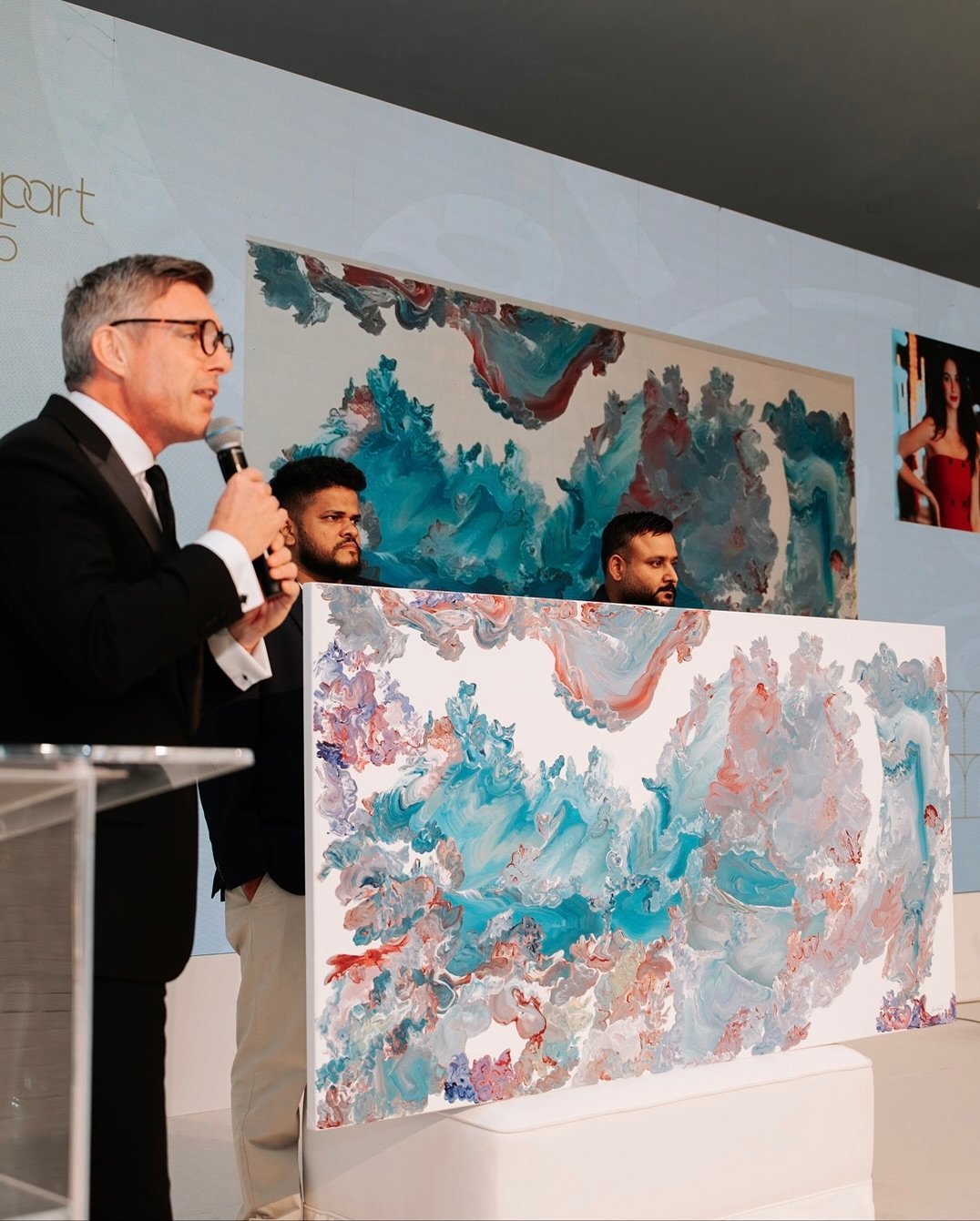
Art, collectibles, and passion investments have grown 42% year-on-year, with 57% of UHNWIs allocating capital to these assets. Categories include contemporary Vietnamese art, antique wood furniture, royal ceramics, rare wine, whiskey, and luxury pens. Vietnamese artists such as Nguyen Thanh Binh and Dinh Quan are highly sought after, with works valued at USD 50,000–500,000. International art and blue-chip collectibles are gaining traction. Collecting combines personal enjoyment and investment, with 41% viewing these assets as portfolio diversifiers. Auction houses such as Sotheby’s and Christie’s host private viewings in Vietnam, while local galleries cater to domestic demand. Family offices increasingly advise on art acquisition, storage, and valuation. This trend reflects cultural pride and global elite convergence, supporting a domestic premium art market.
6. Travel, Leisure, and Experiential Lifestyle
6.1 Private Travel Preferences and Exclusive Tourism Consumption
Private and exclusive travel is a top UHNWI expenditure, with 89% traveling internationally 3–6 times annually and 76% using private or charter services. Preferred destinations include the Maldives, Japan, Europe, the United States, and Thailand, focusing on privacy, customization, and luxury. Travel styles include private villa rentals, yacht charters, bespoke cultural tours, and wellness retreats. Business aviation is used for regional trips to Singapore, Bangkok, and Kuala Lumpur. Domestic luxury travel is also strong, with private beach villas, helicopter tours, and exclusive resort buyouts in Phu Quoc and Da Nang. Spending averages USD 180,000–350,000 annually, excluding accommodation and entertainment. Travel agencies such as Abercrombie & Kent and local premium operators offer tailored services. Motivations include family bonding, stress relief, and networking.
6.2 High-End Wellness, Healthcare, and Anti-Aging Services
Wellness and premium healthcare are top priorities, with 92% of UHNWIs using international-standard private services. Primary providers include Hong Ngoc, FVH, and Vinmec International Hospital, with 47% accessing global facilities in Thailand, Singapore, and Germany for complex care. Anti-aging, regenerative medicine, and preventive health programs are in high demand, with annual spending averaging USD 65,000 per person. Wellness includes private gyms, personal trainers, yoga, meditation, luxury spas, and organic nutrition. Mental health support and stress management are increasingly integrated. Families prioritize health as a foundation for business and family stability. Demand for personalized, long-term health management is driving partnerships between domestic hospitals and global providers.
6.3 Social, Entertainment, and Elite Networking Activities
Elite social and networking activities shape UHNWI daily life, focusing on discreet, exclusive interactions. Private dinners, charity galas, art exhibitions, golf tournaments, and equestrian events dominate. Golf is particularly popular, with memberships at premium courses such as Tan Son Nhat Golf and Chi Linh Star Golf. Charitable giving is increasingly professionalized, with 68% participating in structured philanthropy focused on education, healthcare, and disaster relief. Networking occurs within closed circles to protect privacy and build trusted partnerships. Family-oriented events are prioritized over large public gatherings. Exclusive clubs and private lounges in five-star hotels serve as key venues. These activities reinforce social capital and business alliances, blending leisure and strategic relationship-building.
7. Education, Succession, and Family Governance
7.1 Elite Education Path for Children and Global Academic Planning
Elite education is a top family priority, with 94% of UHNWIs sending children overseas for secondary or tertiary education. Preferred destinations are the United States (41%), the United Kingdom (32%), Canada (12%), Australia (9%), and Singapore (6%). Top boarding schools include Eton, Harrow, and Phillips Exeter Academy, while universities include Harvard, Stanford, Oxford, and Cambridge. Expenses average USD 800,000–1.5 million per child, including tuition, accommodation, and living costs. Domestic options include international schools such as British International School and RMIT Vietnam. Early childhood education emphasizes bilingualism, etiquette, and leadership. Families engage educational consultants to optimize admissions. Education is viewed as critical for succession and global citizenship, driving cross-border lifestyle and asset planning.
7.2 Family Succession Planning and Wealth Inheritance Mechanisms
Succession planning is urgent for aging UHNWIs, with 63% of those over 50 having formal plans. Strategies include gradual business leadership transfer, family governance structures, and legal asset protection. Tools include trusts, holding companies, wills, and family constitutions. Families balance professional management and family control, often appointing independent advisors. Second-generation heirs receive mentorship, overseas education, and operational experience. Key challenges include sibling harmony, professional management integration, and preserving entrepreneurial spirit. Family offices play a central role in implementation. Without planning, 71% of family enterprises risk value decline, making succession a core wealth management pillar.
7.3 Family Values, Philanthropy, and Social Responsibility
Family values and structured philanthropy are central to UHNWI identity, blending Confucian traditions and global social responsibility. Priorities include education, healthcare, poverty alleviation, and disaster relief. Donations average 1.2% of net worth annually, with 43% establishing family foundations. Philanthropy enhances legacy and social impact, aligning with global elite practices. Environmental, social, and governance (ESG) principles are increasingly integrated into investments and giving. Youth and women’s empowerment programs are popular. Families engage third-party evaluators to measure impact. This trend reflects a shift from transactional giving to strategic, sustainable philanthropy, strengthening family cohesion and public reputation.
8. Privacy, Security, and Lifestyle Risk Management
8.1 Personal and Family Security System Construction
Personal and family security is a top concern, with 100% of UHNWIs maintaining comprehensive systems. Measures include trained close-protection teams, private residential security, biometric access, video surveillance, and encrypted communication. Children and spouses receive dedicated protection during travel and daily activities. Security firms combine local expertise and international standards, with annual spending averaging USD 90,000–180,000. Residential compounds in Thao Dien and West Lake offer gated, 24/7 security. Cybersecurity protects digital assets and communication. Families conduct regular risk assessments to adapt to emerging threats. Security enables peace of mind for business and personal life.
8.2 Privacy Protection and Information Risk Control
Privacy protection is integral, with 86% using legal structures to shield public profiles. Strategies include anonymous asset ownership, private trust structures, restricted corporate disclosures, and limited social media presence. Families avoid unnecessary media exposure and use PR advisors to manage reputation. Private banks and family offices enforce strict data confidentiality. Digital privacy includes encrypted devices, virtual private networks, and secure communication apps. Information leaks are mitigated through staff non-disclosure agreements and vendor audits. Privacy preserves safety, reduces reputational risk, and maintains elite exclusivity.
8.3 Legal, Tax, and Reputational Risk Management
Legal, tax, and reputational risk management is overseen by dedicated advisors. Cross-border tax planning ensures compliance with Vietnamese and international regulations, using legitimate structures to optimize liabilities. Legal teams handle corporate, contract, property, and succession matters. Reputational risk is managed via PR, crisis communication, and ethical business conduct. ESG alignment reduces regulatory and public scrutiny. Families conduct annual risk audits to address vulnerabilities. Effective management safeguards wealth, legacy, and social standing, supporting long-term stability.
9. Future Trends and Strategic Implications for Luxury and Service Industries
9.1 Short-Term and Medium-Term UHNWI Lifestyle Evolution Trends
By 2027, Vietnamese UHNWIs will exhibit three key trends: deeper globalization, experience over materialism, and digital-sustainable integration. Offshore asset allocation will rise to 12%, with increased international real estate and private equity. Consumption will shift to bespoke experiences, private travel, and wellness, reducing conspicuous luxury. Digital adoption will include smart homes, virtual asset management, and digital identity security. Sustainability will influence real estate, mobility, and investments. Second-generation leaders will drive innovation, technology adoption, and global integration. Privacy and security will remain foundational. These changes will create a more sophisticated, globally aligned UHNWI segment.
9.2 Opportunities for Global Luxury Brands and Service Providers
Global brands and providers face significant opportunities in Vietnam’s UHNWI market. Luxury fashion, watches, jewelry, automobiles, yachts, and aviation will expand with tailored services and private events. Private banking, family offices, wealth management, and succession planning need localized expertise. Real estate developers should offer branded, smart, sustainable residences. Wellness, healthcare, and education providers can partner with local institutions to deliver premium services. Travel and lifestyle management firms will benefit from demand for exclusive experiences. Success depends on understanding cultural values, privacy needs, and long-term relationship-building. Early movers will gain market share in a high-growth environment.
9.3 Risk Factors and Sustainable Development Suggestions
Risks include economic slowdown, regulatory changes, currency volatility, geopolitical tension, and talent shortages. Excessive wealth concentration may trigger public scrutiny. To sustain growth, stakeholders should prioritize compliance, transparency, and ESG practices. Brands should balance exclusivity and social responsibility. Wealth managers should promote diversification and governance. Families should strengthen succession and philanthropy to enhance legitimacy. Policymakers can support wealth preservation and job creation. With prudent management, Vietnam’s UHNWI segment will drive luxury and professional services growth, contributing to economic development while ensuring long-term stability.